EU formally objects to climate deal at COP31 amid fears of insufficient action
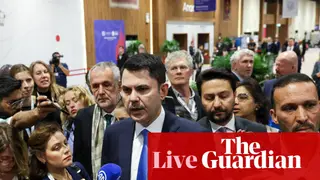
The European Union has formally rejected the final agreement reached at the COP31 climate summit in Antalya, Turkey, citing its failure to address fossil fuel phaseout and insufficient alignment with climate science. EU climate minister Darragh O’Brien stated the deal does not meet the urgent needs of the climate crisis and risks widening the gap between global commitments and required action. The summit, described as the longest in history, now faces potential collapse as negotiations continue under intense pressure.
At the conclusion of the COP31 climate summit held in Antalya, Turkey, the European Union formally rejected the final agreement, marking a significant diplomatic rupture in global climate diplomacy. Ireland’s climate minister, Darragh O’Brien, delivered the objection during a plenary session, stating the EU’s profound disappointment with the outcome. The EU cited the deal’s failure to include any mention of fossil fuel phaseout, a critical gap in addressing the climate crisis. The summit, described as the longest in its history, ended in uncertainty as negotiations continued under intense pressure, raising concerns about the potential collapse of the agreement. The EU emphasized that the pact does not align with climate science or the urgency of the moment, warning it risks widening the gap between global commitments and necessary action. The formal objection underscores deepening tensions between the EU and other negotiating parties, particularly those with strong fossil fuel interests. The EU has long advocated for stronger language on fossil fuels and binding phaseout timelines, a position that has been increasingly at odds with outcomes at recent summits.
The EU’s formal objection could undermine the credibility of the COP process, especially if other major economies follow suit or remain silent. This moment may signal a growing rift between climate leaders and nations prioritizing short-term energy security, potentially weakening the global consensus needed to meet the Paris Agreement’s 1.5°C target. Industries reliant on fossil fuels—particularly in emerging economies—may see delayed transitions, while renewable energy sectors could face uncertainty in investment planning. A comparable precedent is the 2015 Paris Agreement, where initial reluctance from major emitters gave way to broader participation, but only after intense negotiations. This time, the absence of fossil fuel language may erode trust in future summits. The outcome could also affect financial markets, with climate risk assessments and green investment flows potentially recalibrated. What remains unclear is whether the EU will push for a revised agreement or pursue bilateral or regional initiatives. The next steps—whether further negotiations, a revised draft, or a formal withdrawal from the process—will be critical to watch.