KuCoin’s KCUSD Lets Traders Earn Yield While Using Funds for Trading
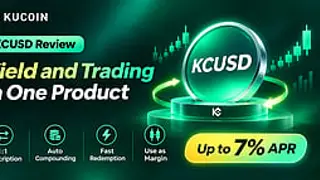
KuCoin’s new KCUSD product allows users to earn daily interest on stablecoins like USDT and USDC while still using them as margin for trading on the platform. The system enables automatic compounding of rewards and supports active traders with VIP1 and higher status, who can use KCUSD in their Unified Trading Account without redeeming it first. This innovation eliminates the traditional trade-off between earning yield and maintaining liquidity for trading.
KuCoin launched KCUSD, a new product on its KuCoin Earn platform, enabling users to earn daily interest on stablecoins like USDT and USDC while simultaneously using those funds as margin in trading via the Unified Trading Account (UTA). The product launched on November 22, 2026, and operates with a 1:1 conversion ratio, requiring no subscription fees or hidden spreads. Users at VIP1 status and above can transfer KCUSD directly into their UTA without redeeming it first, allowing the same balance to serve as collateral for supported trades—including KuCoin TradFi perpetual contracts—while continuing to accrue yield. Rewards compound automatically, starting the day after subscription (T+1), with payouts arriving on T+2. Fast redemptions settle within 10 minutes and return funds in the original asset at a 1:1 ratio, with a daily fee-free quota. A promotional campaign, the Stablecoin Yield Boost, runs until November 26, 2026, at 10:00 UTC, offering up to 7% total APR for users who meet deposit thresholds. This innovation addresses a long-standing trade-off in crypto trading: either keep stablecoins idle for liquidity or lock them into yield products, sacrificing immediate access. Prior to this, platforms like Binance and Coinbase offered yield products, but none allowed active trading use without redemption. KuCoin’s move reflects a strategic effort to retain active traders by enhancing capital efficiency. The company aims to expand UTA access to more users in phases, suggesting scalability is a key goal. What remains unresolved is whether other exchanges will follow suit, and how regulatory scrutiny may evolve as such hybrid products grow in popularity.
KCUSD could significantly reshape how active traders manage capital efficiency, potentially reducing the need for separate yield and trading accounts. By enabling yield generation without sacrificing liquidity, it may encourage more users to keep funds on exchange platforms rather than moving them to external DeFi protocols, which could impact decentralized finance ecosystems. The product’s success may pressure competitors like Binance, Bybit, or Kraken to introduce similar hybrid models, especially if user retention and trading volume rise. A comparable precedent is the rise of staking derivatives in traditional finance, where assets used for yield are also leveraged in trading—though those systems are more complex and less accessible. The broader impact may be a shift toward more integrated, multi-functional crypto accounts, reducing friction in capital deployment. However, risks remain: variable APRs, potential platform-specific vulnerabilities, and the possibility of sudden rate changes could affect user trust. What to watch for next is whether KuCoin extends the UTA feature to lower-tier users, how the yield boost campaign affects long-term user behavior, and whether regulators view such products as securities or riskier financial instruments. The model may also influence how exchanges structure incentives, potentially leading to more aggressive promotional campaigns in the future.