Xreal One Pro smart glasses now at lowest Amazon prices ahead of Black Friday
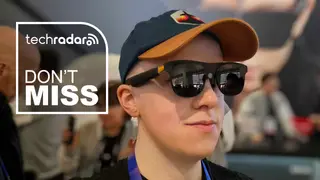
The Xreal One Pro smart glasses are currently priced at $499 on Amazon US and £449 on Amazon UK, marking their lowest prices yet. These glasses function as a wearable display for smartphones, tablets, and game consoles, projecting a large virtual screen in front of the user. Despite the release of the newer Xreal One Pro Plus, the original model remains a strong option for travelers and those with limited space.
The Xreal One Pro smart glasses are currently available at $499 on Amazon US and £449 on Amazon UK—marking their lowest prices to date, as reported on 22 November 2026. This pricing comes ahead of Black Friday, following the launch of the newer Xreal One Pro Plus model, which has prompted a strategic price drop on the original version. The glasses function as a wearable display, projecting content from smartphones, tablets, laptops, and game consoles onto a virtual screen equivalent to a 171-inch TV. Key features include a micro-OLED display with 120Hz refresh rate, Bose-tuned built-in speakers, and a proprietary optic engine designed to minimize glare from reflective surfaces like clothing patterns. Despite the absence of cameras and no active noise cancellation, the open-ear audio design allows for immersive sound without blocking ambient noise.
The context for this pricing shift lies in Xreal’s product lifecycle strategy: the introduction of the upgraded One Pro Plus has made the original model more accessible, positioning it as a value-driven option for early adopters and budget-conscious consumers. The article references prior coverage of the newer model, suggesting a pattern of iterative releases that devalue older versions through discounting. Xreal, as a company, likely aims to maintain market presence and drive volume ahead of holiday shopping, while consumers—particularly frequent travelers, remote workers, and urban dwellers with limited space—benefit from affordable access to immersive personal displays. However, the long-term viability of smart glasses as a mainstream lifestyle product remains uncertain, especially given the broader industry challenges noted in 2026. What remains unresolved is whether the current price point will sustain demand or if future models will further erode the value of existing ones.
The availability of smart glasses at such a steep discount could accelerate adoption among mobile professionals and digital nomads who prioritize portability and privacy. By enabling private work sessions or immersive entertainment without bulky screens, these devices may reshape how people use technology in shared spaces like trains, cafes, and hotel rooms. The open-ear audio and lack of ANC, however, may limit their utility in noisy environments, potentially pushing users toward hybrid setups with earbuds—suggesting a coexistence with existing audio tech rather than replacement. Comparable to the early days of wireless earbuds, where initial skepticism gave way to widespread use, smart glasses may follow a similar arc if usability and comfort improve. Still, the broader market remains cautious; 2026’s reported struggles indicate that consumer trust in wearable tech is fragile. What may emerge is a niche but loyal user base, particularly in travel and remote work sectors. The real test will be whether companies like Xreal can maintain innovation momentum while managing the perception of obsolescence, a challenge that could influence not only their product cycles but also how consumers view long-term investments in personal tech.