W. P. Carey Acquires Supreme International’s Alberta Facility in 20-Year Leaseback Deal
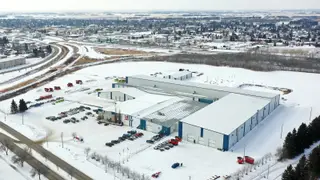
W. P. Carey, a New York-based real estate investment trust, purchased Supreme International’s sole manufacturing facility in Wetaskiwin, Alberta, and leased it back to the company for 20 years. The 207,000-square-foot property, which also houses Supreme’s headquarters, will be operated under a triple-net lease with fixed rent increases. The transaction marks a significant move in W. P. Carey’s ongoing investment strategy in Canadian industrial assets.
In November 2026, W. P. Carey, a New York-based real estate investment trust, completed the acquisition of Supreme International’s sole manufacturing facility in Wetaskiwin, Alberta, located at 6010 47 St., south of Edmonton. The 207,000-square-foot property, which also serves as the company’s headquarters, was sold and immediately leased back to Supreme under a 20-year triple-net lease with fixed annual rent increases. The transaction marks a strategic expansion of W. P. Carey’s industrial real estate footprint in Canada, where it has invested over CAD $1 billion since 2023. While the purchase price, initial rent, and specific increase percentages were not disclosed, the structure reflects the REIT’s long-term, single-tenant leasing model. Supreme International, which has operated at the site for more than 60 years, manufactures livestock feed equipment for dairy and beef cattle. Its Dodge City, Kansas, facility handles distribution and equipment mounting. TriWest Capital Partners acquired the operating business in 2021, and the leaseback deal ensures continuity of operations. W. P. Carey’s senior vice-president of investments, Boyd Borjiet, emphasized the company’s ongoing commitment to Canada, citing prior investments such as the $287 million purchase of 14 Go Auto dealerships in Western Canada in 2026, leased back for 25 years. The deal’s long-term nature and triple-net terms shift operational responsibilities to Supreme, including property taxes, insurance, and maintenance. What remains unknown is the financial impact on Supreme’s balance sheet or whether the lease terms reflect market rates, and no public details exist on the REIT’s broader Canadian industrial strategy beyond the stated investment volume.
This leaseback transaction could signal a broader trend of industrial asset monetization in Canada, where companies seek capital for expansion or debt reduction while retaining operational control. For Supreme International, the deal may free up capital for reinvestment in technology or product development, though long-term rent obligations could affect cash flow. W. P. Carey, by locking in a 20-year lease with a stable, creditworthy tenant, secures predictable returns and strengthens its portfolio in a high-growth Canadian industrial market. The move echoes earlier large-scale leasebacks in the U.S., such as those involving industrial firms like Prologis or Realty Income, where asset sales to REITs have become a common financing tool. However, unlike those cases, this transaction involves a single, long-standing tenant in a specialized sector, which may reduce risk but also limit portfolio diversification. The impact on Alberta’s industrial real estate market remains uncertain—this could encourage similar deals in the region, particularly among mid-sized manufacturers with stable operations. What to watch for is whether other Canadian industrial firms follow suit, especially in the agri-tech or equipment manufacturing sectors, and how lenders or investors respond to the growing use of REIT-backed leasebacks as a capital strategy. The long-term success of this model may depend on sustained demand for industrial space and tenant creditworthiness.