COP31 Fails to Unite on Climate Finance and Fossil Fuel Policies Amid Deepening Global Divisions
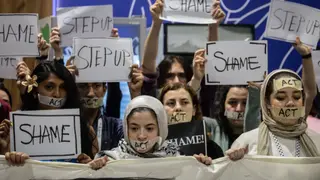
The 2026 UN Climate Conference (COP31) concluded without a consensus cover decision, marking the first time since 2009 that no unified statement was adopted. Disagreements over climate finance commitments, fossil fuel phase-out language, and carbon capture strategies prevented agreement among nations. Despite adopting separate decisions on worker transitions and adaptation progress, key divisions remain unresolved.
The 2026 UN Climate Conference (COP31), held in Antalya, Turkey, concluded without a consensus cover decision—the first time since 2009 that no unified statement was adopted by participating nations. Despite over 100,000 attendees and two days of extended negotiations beyond the scheduled end, delegates failed to agree on key elements including climate finance commitments, language on fossil fuel phase-out, and the role of carbon capture technologies. While separate decisions were adopted on worker transitions and adaptation progress, the absence of a unifying declaration underscores deepening global rifts. The European Union, along with Pacific Island states and several Latin American nations, rejected the proposed Antalya Pact, citing its failure to mention fossil fuels—the primary driver of climate change—and its perceived greenwashing of continued fossil fuel dependence. Ireland’s climate minister Darragh O’Brien explicitly stated the EU would not endorse a deal that omitted fossil fuels, while Marshall Islands climate envoy Kathy Jetn̄il-Kijiner condemned the text as a betrayal to her nation’s survival amid rising seas. Egypt and Brazil, hosts of COP27 and COP28 respectively, also criticized the draft, highlighting a loss of momentum from previous agreements, including the landmark 2023 Dubai agreement calling for a “just and orderly” transition from fossil fuels. The failure reflects broader trends of geopolitical tension, economic instability, and rising energy prices undermining multilateral climate cooperation. What remains unresolved includes the definition of voluntary global electrification goals, the scale of climate finance from developed to developing nations, and the role of carbon capture in climate strategy. The next steps are uncertain, though the UN framework remains intact.
The collapse of consensus at COP31 could weaken global confidence in multilateral climate governance, particularly among vulnerable nations already facing existential threats from climate change. Small island states and developing countries may view the outcome as a signal that their concerns are being sidelined in favor of economic interests, potentially eroding trust in future negotiations. This could influence domestic climate policy in affected nations, where public pressure may grow for more assertive national action if international cooperation stalls. Markets may respond with increased volatility in green investment, as investors seek clarity on global climate commitments, especially in sectors tied to fossil fuel infrastructure or clean energy transitions. A comparable precedent is the 2015 Paris Agreement, which succeeded despite initial skepticism and divergent national interests—yet COP31’s failure to even produce a cover decision suggests a more fragile foundation. The absence of a unified statement may also affect the credibility of the UNFCCC process, potentially leading to more fragmented, bilateral, or regional climate initiatives. What to watch for next is whether regional coalitions—such as the EU or the African Group—will step in to advance climate goals independently, or whether the lack of a unified framework will delay critical climate finance disbursements and adaptation funding. The long-term impact may depend on whether these fractures lead to strategic realignment or further institutional drift.