Airlines Introduce New Economy Class Innovations to Enhance Passenger Comfort and Experience
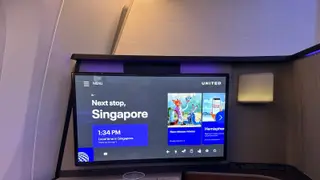
Airlines are rolling out various upgrades in economy class, including improved Wi-Fi access, enhanced headrests, walk-up snack bars, and new seating concepts like convertible couches and bunk beds on select long-haul flights. Onboard wellness zones and upgraded entertainment systems with Bluetooth connectivity and streaming partnerships are also becoming more common. These features aim to improve comfort and enjoyment without requiring passengers to upgrade to premium cabins.
Airlines are rolling out a range of new features in economy class to improve passenger comfort and experience on long-haul flights, with select carriers introducing innovations such as improved Wi-Fi access, enhanced headrests, walk-up snack bars, and experimental seating concepts like convertible couches and bunk beds. These upgrades are being tested on specific aircraft and routes, indicating a targeted rollout rather than a universal standard. Onboard wellness zones and upgraded entertainment systems—featuring Bluetooth connectivity and streaming partnerships—are also becoming more common, though availability varies by airline and flight. While these enhancements aim to elevate the economy experience without requiring a premium cabin upgrade, access to certain features remains limited. For example, free Wi-Fi often requires membership in an airline’s loyalty program, and premium seating options like bunk beds may come with an additional fee. The gradual implementation suggests a phased strategy, with no widespread rollout yet confirmed across all carriers or routes.
The shift reflects a broader industry effort to retain customers in economy class amid rising demand for comfort and connectivity. Airlines are responding to passenger expectations shaped by premium cabin standards and digital lifestyle trends. While the material does not name specific airlines leading the charge, the focus on long-haul flights indicates a strategic emphasis on routes where passenger time in the cabin is most significant. The underlying goal for carriers is to increase customer satisfaction and loyalty without sacrificing profitability. However, the uneven availability of features—dependent on aircraft type, route, and pricing tier—means travelers cannot assume consistent access. What remains unresolved is whether these innovations will be sustained or remain experimental, and how they may influence future cabin design, pricing models, and competitive dynamics across the industry.
These economy class upgrades could reshape traveler expectations, potentially raising the baseline for comfort and service even in lower fare classes. Passengers may begin to view features like reliable Wi-Fi, in-seat entertainment, and ergonomic seating as standard, not perks. This shift may pressure airlines to standardize such offerings, especially on long-haul routes, which could influence fleet modernization and maintenance budgets. Adjacent markets, such as inflight entertainment providers and connectivity vendors, may see increased demand, while traditional snack and beverage services could face reevaluation. A comparable precedent is the introduction of personal screens in the early 2000s, which transformed passenger expectations and became a competitive necessity. What may follow is a similar normalization of wellness zones and flexible seating, though adoption could vary by region and carrier. The next key development to watch is whether these innovations lead to a redefinition of economy class value—possibly blurring the line between economy and premium—without a corresponding increase in base fares.