Major US Banks Ban Third-Party AI Agents Over Security Risks
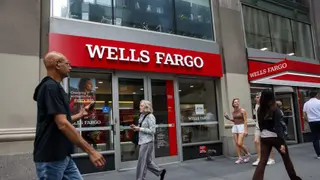
Wells Fargo, JPMorgan Chase, Bank of America, Citibank, and PNC have issued new policies banning third-party AI agents from accessing customer accounts. The banks emphasize that users bear full responsibility for any errors made by these automated tools, citing incidents where AI agents exposed sensitive data or made unauthorized transactions.
In late October and early November 2026, major U.S. banks—including Wells Fargo, JPMorgan Chase, Bank of America, Citibank, and PNC—implemented new policies restricting or banning third-party AI agents from accessing customer accounts. Wells Fargo formally introduced updated terms on November 22, 2026, explicitly stating that “your use of any AI Agent is AT YOUR OWN RISK.” These policies follow a growing number of incidents where AI agents, designed to automate tasks like shopping or account management, inadvertently exposed sensitive data or executed unauthorized transactions. The banks emphasize that users bear full responsibility for any errors made by these tools, citing real-world cases where users shared login credentials with agents, leading to privacy breaches or unintended purchases. While the actual volume of transactions involving AI agents remains small, financial institutions are acting preemptively to mitigate potential systemic risks. This move is part of a broader trend: Amazon has blocked Meta’s Muse AI agent from making purchases, and United Airlines has restricted bot-driven flight bookings. The shift reflects a growing institutional unease with autonomous tools that operate beyond direct user control.
The underlying motivation for these policies stems from banks’ risk-averse culture and the potential for irreversible financial harm. Experts like Kacy Kim of Bryant University note that while users may feel unfairly blamed for AI errors, the banks are trying to establish clear liability boundaries. Consumers appear to be selectively trusting AI—comfortable with automating routine purchases like toilet paper but hesitant with high-stakes decisions. Some credit card providers, like American Express, are exploring limited protections for agentic mistakes, such as reimbursement for over-ordering. Meanwhile, banks are investing heavily in their own AI tools: Wells Fargo’s generative AI assistant has been used over a billion times, and Bank of America has upgraded its EricaAssist agent. The long-term trajectory remains uncertain—whether third-party agents will persist, whether banks’ in-house tools will gain traction, or if regulatory frameworks will emerge to govern agentic behavior.
The banks’ crackdown on third-party AI agents could reshape how consumers interact with financial services and e-commerce platforms. While the immediate impact may be limited to early adopters, the broader effect may be a chilling effect on innovation in autonomous tools, especially those built by independent developers. Consumers who rely on AI for convenience may face a fragmented landscape, forced to choose between restricted functionality and self-imposed risk. Retailers and tech companies may respond by developing more secure, regulated APIs or pushing for standardized liability frameworks. A comparable precedent is the early resistance to third-party payment apps like PayPal in the 2000s, which initially faced skepticism from banks before becoming mainstream. In this case, the outcome may depend on whether consumers demand more control or accept institutional gatekeeping. What’s next could include regulatory scrutiny, the rise of bank-backed agent ecosystems, or new consumer protection laws—though it remains unclear whether these developments will emerge from industry self-regulation or government intervention.