Wildfire lawsuits against utilities grow into a multibillion-dollar industry across the U.S.
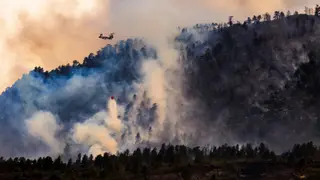
Since the 2018 Camp Fire in California, sparked by a faulty PG&E transmission line, thousands of victims have sued utility companies for damages, leading to over $18 billion in settlements across states including California, Hawaii, Colorado, and Oregon. PG&E’s $13.5 billion settlement for the Camp Fire and other fires set a precedent, making utilities liable for billions in compensation when their equipment causes wildfires. The trend has turned wildfire litigation into a major legal and financial force, with companies like PacifiCorp, Xcel Energy, and Southern California Edison facing significant claims.
In November 2018, a broken transmission line on a 99-year-old tower owned by Pacific Gas and Electric Co. (PG&E) sparked the Camp Fire in Paradise, California, resulting in 85 fatalities and the destruction of over 18,000 structures—the deadliest wildfire in state history. The fire, fueled by dry vegetation, low humidity, and strong winds, ignited a wave of litigation that culminated in PG&E agreeing to a $13.5 billion settlement for the Camp Fire and other fires caused by its equipment in 2017 and 2018. This landmark settlement, one of the largest civil environmental settlements in U.S. history, set a precedent by holding a utility financially responsible for damages caused by aging infrastructure in a climate-warmed landscape. Since then, over $18 billion in settlements or agreements have been reached across California, Hawaii, Colorado, and Oregon, with utilities like PG&E, PacifiCorp, Xcel Energy, and Southern California Edison facing mounting claims. In Colorado, residents have sued San Isabel Electric Association after an aspen tree fell onto energized powerlines, sparking the Aspen Acres Fire, which destroyed over 320 homes. Meanwhile, victims of the 2025 Palisades Fire in Los Angeles County—where no criminal conviction was secured—have filed a $10 billion lawsuit against the city, L.A. Department of Water and Power, and the state, alleging negligence in fire prevention and suppression. The legal strategy hinges on identifying utility or government responsibility, as private individuals or natural causes like lightning offer no such path to compensation. What remains unresolved is whether this litigation-driven model can scale sustainably, especially as climate change increases fire risk without a corresponding rise in ignition frequency.
This surge in wildfire litigation could reshape how communities and insurers respond to climate-driven disasters, potentially shifting financial responsibility from homeowners to large utilities or public agencies. As private insurers pull out of high-risk areas, legal claims may become a primary avenue for recovery, especially where insurance is unavailable or inadequate. This trend may incentivize utilities to invest in infrastructure hardening and proactive maintenance, but it could also strain their financial stability—PG&E’s bankruptcy illustrates the risk. Comparable to the Deepwater Horizon oil spill, where massive legal settlements redefined corporate accountability, wildfire lawsuits may establish a new norm for climate-related liability. However, the approach may not be equitable: victims of fires caused by arson or natural events, like the Palisades Fire, face greater hurdles in securing compensation. The legal system’s ability to handle thousands of claims efficiently remains uncertain. Moving forward, courts may need to develop standardized procedures for assessing climate-related negligence, while policymakers could explore public compensation funds or reforms to insurance markets. The broader impact may include a shift in urban planning, with greater scrutiny on building in fire-prone zones and increased public investment in fire resilience.