Garmin fenix 8 and Apple Watch Ultra 3 Compared: Long-Lasting Training Watch vs. iPhone-Integrated Smartwatch
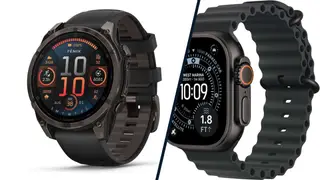
The Garmin fenix 8 and Apple Watch Ultra 3 represent two distinct philosophies: the fenix 8 offers up to 16 days of battery life and advanced training features including a dive computer, while the Ultra 3 excels as a full smartwatch with deep iPhone integration and daily app functionality. The fenix 8 is ideal for outdoor athletes, while the Ultra 3 suits users reliant on smartphone ecosystem features.
In November 2026, Garmin and Apple introduced their flagship watches—Garmin fenix 8 and Apple Watch Ultra 3—positioned at similar price points ($749.99 and $799 respectively), yet fundamentally divergent in purpose. The fenix 8, available in a 47 mm titanium case with an AMOLED sapphire display, boasts up to 16 days of battery life in smartwatch mode and 47 hours of GPS-only use, with a 10 ATM water rating and full dive computer functionality certified to EN13319 standards, including apnea and single-gas scuba modes. It supports both iPhone and Android, features built-in topographic maps, multi-band GPS with SatIQ, and a speaker/microphone for calls. In contrast, the Apple Watch Ultra 3, with a 49 mm titanium case and a 3,000-nit LTPO3 OLED display, offers up to 42 hours of normal use and 72 hours in Low Power Mode, but requires an iPhone 11 or later running iOS 26. It supports recreational scuba diving via the Oceanic+ app (subscription-based), satellite communication, and 5G cellular connectivity, with deep integration into the Apple ecosystem. The core divergence lies in philosophy: Garmin prioritizes endurance and platform independence, while Apple emphasizes seamless smartphone integration and app richness.
The broader context reflects a growing split in wearable technology: one path toward rugged, self-sufficient tools for athletes and explorers, the other toward polished, ecosystem-locked smart devices. Garmin, rooted in outdoor and fitness tech, aims to serve users who prioritize longevity and functionality without dependency on a smartphone. Apple, leveraging its dominant mobile ecosystem, seeks to extend iPhone utility into wearables, reinforcing user lock-in. The unresolved tension centers on user identity: those who value autonomy and battery life may favor the fenix 8, while those who rely on real-time notifications, app ecosystems, and seamless iOS integration may find the Ultra 3 indispensable. Future developments could see Apple improve battery life or Garmin expand app support, but for now, the choice remains a lifestyle declaration.
The release of the fenix 8 and Ultra 3 underscores a widening divide in consumer electronics: the tension between utility-driven devices and ecosystem-locked smartwatches. Users who prioritize long-term reliability—such as hikers, divers, and endurance athletes—may find the fenix 8’s 16-day battery and standalone functionality essential, especially in remote or high-risk environments where charging is impractical. This could strengthen Garmin’s position in niche outdoor markets and influence future product design across fitness wearables. Conversely, the Ultra 3’s deep iOS integration may solidify Apple’s dominance among iPhone users, potentially driving higher customer retention and encouraging ecosystem loyalty. A comparable precedent is the early 2010s shift from feature phones to smartphones, where platform lock-in became a key competitive advantage. Here, the impact may extend beyond individual purchases to influence broader tech adoption patterns—especially among younger users who may choose devices based on ecosystem compatibility rather than standalone performance. What remains uncertain is whether Apple’s ecosystem strength will continue to outweigh battery limitations, or if Garmin’s focus on independence will gain traction as users grow wary of digital dependency. The next phase may involve Apple addressing battery life or Garmin expanding app support, but for now, the market reflects a clear bifurcation in user priorities.