Australia mourns music icon Molly Meldrum, remembered as a champion of Australian artists
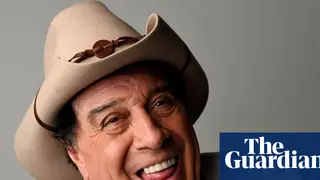
Molly Meldrum, the influential Australian music promoter and former host of the television show Countdown, has died at the age of 83. Tributes poured in from public figures including Prime Minister Anthony Albanese and singer Jason Donovan, who praised Meldrum’s unwavering support for Australian musicians. His legacy includes helping launch the careers of major artists and shaping the nation’s music scene for decades.
Ian ‘Molly’ Meldrum, the iconic Australian music promoter and former host of the ABC’s Countdown television show, died at the age of 83 on Monday, 22 November 2026. He was a central figure in shaping Australia’s music culture from the 1970s onward, known for his passionate advocacy of local talent and his dynamic presence on and off screen. His tenure on Countdown, which aired from 1975 to 1987, helped launch the careers of numerous Australian artists, including Kylie Minogue, Guy Pearce, and Russell Morris, whose 1969 hit “The Real Thing” Meldrum produced. Meldrum’s influence extended beyond television—he was a mentor, collaborator, and tireless champion of homegrown music, earning recognition from institutions like the Australian Recording Industry Association (ARIA), which inducted both him and Countdown into the ARIA Hall of Fame in 2014 as the first non-artists to receive the honor. Tributes poured in from across the entertainment world, including from Prime Minister Anthony Albanese, who praised Meldrum’s “uncontainable” enthusiasm and lasting impact on national music identity. Public figures such as Jason Donovan, Peter Andre, Kate Ceberano, and Richard Wilkins recalled his irrepressible energy, personal loyalty, and unique ability to elevate artists without seeking personal gain.
Meldrum’s legacy was built on decades of unwavering support for Australian music, often at a time when international acts dominated the airwaves. His work helped establish a distinct national music identity, fostering a generation of artists who might otherwise have gone unnoticed. The emotional outpouring reflects not just personal loss but a recognition of a cultural turning point—his passing marks the end of an era in which one individual could so profoundly influence the trajectory of a nation’s creative landscape. What remains unresolved is how the music industry will continue to honor and institutionalize his ethos in the absence of such a visible, passionate advocate. The future of music promotion, especially for emerging Australian artists, may now depend on whether institutions and new media platforms can replicate his personal, grassroots championing.
Meldrum’s death underscores the enduring cultural value of personal advocacy in the arts, particularly in a digital age where algorithmic curation often supersedes human judgment. His life’s work highlights how one passionate individual can shape national identity through music, a role that may be increasingly difficult to replicate in today’s fragmented media environment. The widespread tributes from artists and public figures suggest that audiences still deeply value authenticity and emotional connection in cultural gatekeeping—qualities that algorithms often lack. Comparable to figures like BBC’s Tony Wilson in the UK or VH1’s Tom Green in the US, Meldrum represented a bridge between artists and the public, a role that could be at risk as streaming platforms prioritize data over discovery. His legacy may inspire renewed efforts to support artist development programs and public broadcasting initiatives that prioritize local talent. What to watch for next is whether new media platforms or government arts bodies will formalize mechanisms to honor and emulate his model—especially as younger generations seek meaningful cultural touchstones in an increasingly impersonal digital world.