Drone Attack Hits Russian Ship in Benghazi Port, Libya Authorities Investigate
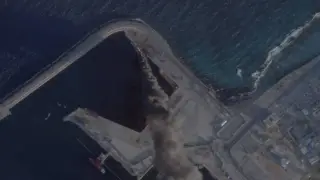
A suspected drone strike hit a Russian ship docked in Benghazi port, causing an explosion but no casualties. Libyan eastern authorities believe the attack targeted the vessel, which was en route to Russia for refueling, and are launching a joint investigation with Russia. The incident echoes past attacks on Russia’s “shadow fleet,” with Ukraine previously admitting to targeting such vessels in the Mediterranean.
On Sunday, a suspected drone attack struck a Russian ship docked in Benghazi port, Libya’s eastern city, triggering an explosion but resulting in no casualties. The vessel, reportedly en route to Russia for refueling and resupply, was part of Russia’s “shadow fleet”—a network of oil and gas tankers circumventing Western sanctions. The attack occurred amid heightened tensions in the Mediterranean, following a similar drone strike on a Russian cargo ship in the eastern Baltic Sea near Finland on Saturday, which Finnish border guards attributed to Ukraine. Libyan eastern authorities confirmed the blast occurred aboard the ship, not at a naval base or ammunition depot, as initially reported, and stated they are launching a joint investigation with Russia. The Government of National Unity in Tripoli condemned the incident, warning of risks posed by the use of Libyan ports in external conflicts and rejecting the transformation of Libya into a battleground. The March sinking of a Russian LNG carrier off the Libyan coast, which Moscow blamed on Ukraine, is a prior example of such attacks. While no group has claimed responsibility for the Benghazi incident, the pattern aligns with Ukraine’s documented targeting of Russia’s shadow fleet in international waters. What remains unclear is the exact drone type used, the origin of the attack, and whether any Libyan actors were involved in facilitating it. The investigation’s outcome could influence regional stability and international perceptions of Libya’s neutrality.
The attack underscores how the war in Ukraine is increasingly spilling into global maritime zones, with implications for international shipping, energy markets, and state sovereignty. The use of civilian ports like Benghazi’s—already fragile due to Libya’s political division—raises concerns about the erosion of neutral territory in conflicts not directly involving local actors. If confirmed as Ukrainian, this strike could signal a broader strategy to disrupt Russia’s energy exports beyond the Black Sea, potentially affecting global fuel prices and supply chains. The Baltic Sea incident, similarly attributed to Ukraine, has already prompted heightened scrutiny of maritime security in Northern Europe. Comparable to past incidents like the 2020 attack on a Russian tanker in the Caspian Sea, this event may encourage further militarization of commercial shipping routes. What could follow includes increased surveillance by NATO or regional navies, stricter port inspections, or retaliatory measures from Russia. The situation also tests Libya’s ability to maintain neutrality amid competing external interests, potentially deepening divisions between its eastern and western governments. Monitoring future attacks and diplomatic responses will be key to assessing whether maritime conflict zones are expanding beyond traditional war zones.