Ericsson and Altair Achieve First eRedCap 5G IoT Connection, Deutsche Telekom Backs Mistral AI
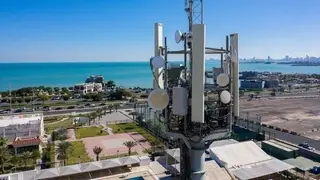
Ericsson and Altair Semiconductor completed the first network connection using enhanced Reduced Capability (eRedCap), enabling lower-cost, power-efficient 5G connectivity for IoT devices like sensors and wearables. The technology, based on 3GPP Release 18, is expected to enter commercial use in 2027. Meanwhile, Deutsche Telekom’s T.Capital invested €100 million in Mistral AI to advance sovereign AI initiatives in Germany, combining telecom infrastructure with AI innovation.
Ericsson and Altair Semiconductor achieved the first network connection using enhanced Reduced Capability (eRedCap) technology in November 2026, marking a milestone in 5G IoT development. The test utilized Ericsson’s radio access network software and Altair’s ALT1550 modem, operating under 3GPP Release 18 specifications. eRedCap is designed for low-bandwidth, power-efficient devices such as smart-city sensors, wearables, and industrial trackers, offering a more cost-effective alternative to standard 5G hardware. The technology is expected to enable telecom operators to migrate existing 4G IoT devices to 5G Standalone networks, improving connectivity without requiring full infrastructure overhauls. Commercial deployment is anticipated by 2027, with Altair leading the charge in bringing the solution to market. Separately, Deutsche Telekom’s T.Capital Tech Fund committed €100 million to Mistral AI’s Series D funding round, signaling a strategic push toward sovereign AI in Germany. This investment aims to integrate Mistral’s AI models with Deutsche Telekom’s telecom infrastructure, enterprise networks, and systems integration capabilities to support trusted AI adoption in regulated and industrial sectors. The collaboration reflects broader European efforts to reduce reliance on non-European AI platforms while leveraging domestic digital infrastructure.
The background to these developments includes the ongoing evolution of 5G standards, particularly the shift from 4G LTE-M and NB-IoT to more advanced, efficient 5G-based IoT solutions. eRedCap builds on earlier RedCap efforts, aiming to bridge the gap between high-performance 5G and ultra-low-power IoT. Meanwhile, Germany’s focus on sovereign AI—driven by concerns over data sovereignty and geopolitical dependencies—has prompted public and private sector investments in homegrown AI capabilities. Deutsche Telekom, as a key infrastructure provider, sees strategic value in aligning AI innovation with its network assets. However, the long-term success of eRedCap depends on widespread industry adoption and standardization, while the AI partnership’s impact will hinge on regulatory acceptance and real-world deployment in public and private institutions. What remains unresolved is the pace of global rollout, the extent of interoperability across vendors, and how effectively sovereign AI initiatives can scale beyond pilot programs.
The emergence of eRedCap could significantly expand the reach of 5G connectivity to low-cost, battery-powered IoT devices, potentially transforming urban infrastructure, industrial monitoring, and consumer wearables. By reducing hardware complexity and power consumption, eRedCap may accelerate the deployment of smart city projects and industrial automation systems, especially in regions where 4G IoT networks are still dominant. This could lead to more efficient public services and improved data collection for urban planning, though widespread adoption depends on device manufacturer support and network operator incentives. The investment in Mistral AI reflects a growing European strategy to build resilient, homegrown AI ecosystems, particularly in sectors like healthcare, energy, and manufacturing where data privacy and regulatory compliance are paramount. If successful, this model could serve as a template for other nations seeking to balance innovation with sovereignty, similar to how the EU’s GDPR reshaped global data governance. However, the real impact of these initiatives will depend on whether they can scale beyond pilot projects and compete with established global AI platforms. What to watch for next includes the timeline for eRedCap standardization, the performance of the Deutsche Telekom–Mistral partnership in real-world deployments, and how other telecom providers respond to these dual trends in IoT and AI.