Pixel Weather Introduces User-Driven Weather Reporting for Better Local Accuracy
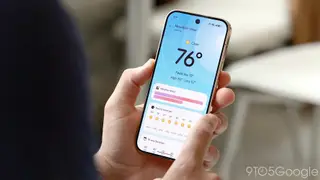
Google has launched a new 'Report current weather' feature in Pixel Weather to enhance local forecast precision by leveraging real-time user input. The update includes minor interface improvements alongside the new functionality. This crowdsourced data aims to provide more accurate and timely weather information for users in specific locations.
Google has introduced a new 'Report current weather' feature within the Pixel Weather app, designed to improve the accuracy of local forecasts by incorporating real-time observations from users. This update marks a shift toward leveraging crowdsourced data to refine weather predictions at a hyperlocal level, particularly in areas where traditional forecasting models may lack precision. The feature is currently available exclusively on Pixel devices, suggesting a targeted rollout tied to Google’s hardware ecosystem. Alongside the new functionality, minor interface improvements have been implemented, though specific details about these changes remain unspecified. The initiative reflects Google’s ongoing effort to enhance user experience by integrating direct feedback into its services.
The move builds on prior efforts to improve weather data accuracy through technology, such as the integration of satellite and sensor data into forecasting systems. However, this update represents a significant step toward user participation, potentially bridging gaps in localized weather reporting that automated systems often miss. By inviting users to report conditions like rain, sunshine, or temperature, Google aims to create a more dynamic and responsive weather service. The company’s interest lies in strengthening user engagement and trust in its digital tools, particularly as competition in the smart device and app space intensifies.
The primary actor is Google, through its Pixel line and associated software. The goal appears to be improving service reliability and differentiating Pixel devices through unique, data-driven features. Users benefit from more accurate, timely forecasts, especially in rapidly changing weather conditions. However, the long-term effectiveness of the feature remains uncertain—how many users will contribute, how frequently, and whether the data will be sufficiently reliable are questions not addressed in the release. The broader rollout beyond Pixel devices, or integration with third-party weather platforms, is also unknown.
This feature could enhance personal preparedness for weather events, particularly in urban or microclimatic zones where forecasts often vary significantly from street to street. Users relying on accurate, real-time conditions may make better decisions about travel, outdoor activities, or safety measures. The model resembles earlier crowdsourced initiatives like Waze’s traffic reporting, where user input improves service quality for all. If successful, such a system may encourage broader adoption of participatory data models in other consumer tech domains. However, the impact may be limited by participation rates and data quality. Without widespread user engagement, the feature may not deliver meaningful improvements. Additionally, privacy concerns could arise if users are unaware of how their reports are stored or used. The long-term viability of such a system depends on sustained user interest and Google’s ability to maintain data integrity. It may also influence how other tech companies approach local data collection—potentially spurring similar features in competing weather apps or smart devices. What to watch for is whether Google expands the feature beyond Pixel devices or integrates it into broader Google services.