Bradford Cox Returns with Haunting Solo Album Thanatos, Exploring Decay and Abandonment
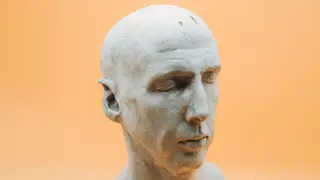
Bradford Cox’s first solo album in 15 years, Thanatos, is a dark, autumnal exploration of bodily, spiritual, political, and sonic decay. Recorded under the Atlas Sound moniker, the album features haunting vocals and intricate soundscapes, with songs like 'Day for Night' and 'Akron' evoking themes of isolation and existential dread. It marks Cox’s return after seven years since Deerhunter’s last release and is his fourth album under the Atlas Sound name.
Bradford Cox, the frontman of the influential post-punk band Deerhunter, has released his first solo album under the Atlas Sound moniker in 15 years—Thanatos—on the 4AD label in 2026. This marks his fourth album under the Atlas Sound name and his first full-length release since 2011, following a seven-year hiatus since Deerhunter’s last album. Recorded entirely in his Atlanta attic, the album is a stark departure from the lush, dreamy textures of his earlier work, instead embracing a brittle, decaying aesthetic. Musically, it features sparse instrumentation—marimbas, creaky pianos, distorted synths and guitars—emphasizing attack over sustain, with Cox playing every instrument himself. The album’s themes revolve around bodily, spiritual, political, and sonic decay, evoking a world of isolation and existential dread, as seen in tracks like “Day for Night,” “Akron,” and “Octoberland,” where imagery of mold, lesions, and abandoned landscapes underscores a pervasive sense of collapse. Cox’s vocal delivery, often frictive and textured, leans into the physicality of sound—creases in velvet, glottal stops, the tension between breath and body—mirroring the album’s central preoccupation with deterioration. His vocal style recalls late-career Bob Dylan, embracing a weathered, ghostly timbre rather than melodic ease. The album’s communal feel emerges from Cox’s skill in layering his own performances to simulate ensemble playing, creating a dense, improvisatory atmosphere reminiscent of early 2000s U.S. DIY avant-psychedelic acts. What remains unresolved is the extent to which this artistic shift signals a permanent departure from the transcendentalism of his earlier work, or whether it’s a temporary phase in a broader creative evolution.
Thanatos may resonate with listeners grappling with contemporary anxieties—climate dread, political fragmentation, and digital alienation—by framing decay not as failure but as a lived, visceral reality. Its aesthetic, rooted in bodily and sonic impermanence, could influence a new wave of experimental music that embraces imperfection over polish, potentially reshaping expectations for emotional catharsis in indie and post-punk genres. The album’s DIY ethos and solitary recording process may inspire other artists to explore intimate, self-contained creative spaces, especially in an era where digital collaboration often dominates. Comparable to the way Radiohead’s *Kid A* (2000) redefined expectations for rock music by embracing dissonance and digital decay, Thanatos could signal a broader cultural turn toward embracing unease as a legitimate artistic mode. However, its niche sound and refusal to offer redemption may limit mainstream appeal, potentially reinforcing the divide between experimental music and broader audiences. What to watch for is whether this album catalyzes a resurgence of interest in lo-fi, textural experimentation within indie music, or if it remains a singular, isolated statement in Cox’s evolving career.