Microsoft, UiPath, and ServiceNow Lead 2026 Enterprise Automation Landscape
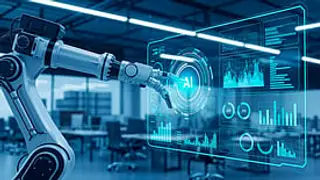
The top enterprise automation companies in 2026 include Microsoft, UiPath, and ServiceNow, each excelling in AI integration, robotic process automation, and workflow platforms. These firms are expanding capabilities through AI agents, process intelligence, and low-code tools, helping organizations streamline repetitive tasks across systems like Microsoft 365 and Dynamics 365.
In 2026, Microsoft, UiPath, and ServiceNow emerged as leaders in the enterprise automation landscape, each leveraging distinct strengths to shape how organizations manage workflows, integrate AI, and streamline operations. Microsoft’s dominance stems from its deep integration with existing enterprise ecosystems like Microsoft 365, Teams, and Dynamics 365, enabling seamless deployment of Power Automate and Copilot Studio. UiPath solidified its position as a RPA pioneer, expanding into AI agents and process orchestration through acquisitions like WorkFusion in February 2026 and earning recognition as a Leader and Star Performer in Everest Group’s Agentic Process Automation assessment on November 5, 2026. ServiceNow, meanwhile, excels in unifying IT, HR, and customer support workflows via its Now Platform and AI Agents, with a strong presence in Business Orchestration and Automation Technologies (BOAT), making it ideal for organizations seeking centralized process control. Other notable players include Automation Anywhere, which acquired Boost.ai to unify conversational AI with back-office automation; IBM, favored by regulated industries for its hybrid cloud and governance-focused solutions; Appian, ranked first in ISG’s 2026 Intelligent Automation Platforms assessment for its low-code integration of app development and process control; SAP, advancing its Autonomous Enterprise strategy in May 2026; Pegasystems, known for consistent decision-making in high-volume customer cases; and Celonis, which challenges organizations to understand their actual workflows through process mining. The market’s evolution reflects a shift from isolated automation to integrated, AI-driven orchestration across systems, with success depending on existing software stacks, security needs, and operational goals. What remains unresolved is how these platforms will compete as AI agents become more autonomous, and whether interoperability standards will emerge to prevent vendor lock-in.
The rise of enterprise automation leaders like Microsoft, UiPath, and ServiceNow could significantly reshape workforce dynamics, shifting human labor from repetitive tasks toward higher-value strategic work. Employees in finance, HR, and customer service may see reduced administrative burdens, potentially increasing job satisfaction and productivity. However, this transition may also intensify pressure on organizations to reskill workers, with long-term implications for employment models and labor markets. The integration of AI agents across platforms like Microsoft 365 and SAP may further blur the line between human and machine decision-making, raising questions about accountability and transparency in automated processes. Comparable to the shift from manual to digital record-keeping in the 1990s, this wave of automation could redefine how enterprises operate, with early adopters gaining competitive advantages. Yet, the risk of vendor lock-in—especially with deeply embedded platforms like SAP or ServiceNow—may limit innovation and increase dependency. The market may also see increased consolidation, as seen with UiPath’s acquisition of WorkFusion and Automation Anywhere’s purchase of Boost.ai, suggesting that scale and ecosystem integration will be key. What to watch for next is how regulatory bodies respond to autonomous AI in business processes, particularly in finance and healthcare, and whether open standards or interoperability frameworks emerge to balance innovation with fairness and choice.