Rock, Tejano, and Global Sounds Fill Houston Stages This Week
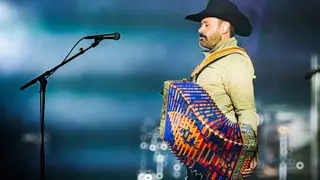
Journey headlines the week at the Toyota Center with a farewell tour featuring hits like 'Don’t Stop Believin’.' Grupo Intocable performs live at Smart Financial Centre, bringing their Grammy-winning Tejano and norteño music to Houston. Rawayana brings their trippy pop sound to 713 Music Hall on their world tour. Other acts include Afrojack at Ductwork, Paul Cauthen at White Oak Music Hall, and Better Than Ezra from New Orleans.
This week in Houston, a diverse array of musical acts converged across venues from the Toyota Center to 713 Music Hall, reflecting the city’s evolving cultural landscape. Journey headlined at the Toyota Center on Wednesday, November 16, closing their Final Frontier Tour with iconic rock anthems like “Don’t Stop Believin’,” marking a significant moment for fans of 1980s arena rock. On the same night, Rawayana brought their psychedelic pop sound to 713 Music Hall as part of their ¿Dónde es el after? World Tour, showcasing the growing international reach of Latin American indie acts. Meanwhile, Grupo Intocable performed at the Smart Financial Centre on Saturday, November 19, celebrating their Grammy-winning legacy in Tejano and norteño music, a genre deeply rooted in Texas-Mexican heritage. Other notable performances included Afrojack’s electronic set at Ductwork, Paul Cauthen’s genre-blending country soul at White Oak Music Hall, and Better Than Ezra’s return to Houston after their 1990s alt-rock heyday. The week also featured niche events such as the Candlelight Concert tribute to Juan Luis Guerra and a free student-led performance at the Moody Center for the Arts, highlighting Houston’s commitment to both mainstream and experimental music. These events were organized by a mix of independent promoters, venue operators, and cultural institutions, each seeking to attract diverse audiences and sustain live music ecosystems in the city. What remains uncertain is how the continued influx of international acts may affect local artist visibility and whether the city’s infrastructure can support such high-demand events without strain.
The convergence of rock, Tejano, and global pop acts in Houston this week reflects a broader trend in American urban centers: the blending of regional identity with global musical currents. This mix could strengthen Houston’s reputation as a cultural crossroads, potentially boosting tourism and local spending at venues and nearby businesses. The inclusion of events like the Candlelight tribute to Juan Luis Guerra or student-led performances at Rice University suggests a growing emphasis on cultural preservation and accessibility, which may inspire similar initiatives in other mid-sized cities. Comparable to Austin’s SXSW in its diversity of genres, Houston’s live music scene may be developing a comparable niche—less commercialized than Nashville, more inclusive than Los Angeles, with a unique Texan-Latin fusion at its core. However, the long-term sustainability of such programming depends on equitable access for local artists and venues, especially as ticket prices rise (e.g., Intocable’s $95+ tickets). What may follow is a push for more subsidized or community-driven events to balance the commercial spotlight, particularly as global acts continue to draw crowds. The city’s ability to maintain this cultural equilibrium could shape its identity for years to come.