CFN Experts Share Picks for Rivalry Week, Including Top Matchups
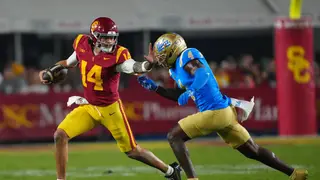
College Football News presents expert predictions for Week 13, focusing on major rivalry games such as Auburn vs Alabama, Michigan vs Ohio State, Nebraska vs Iowa, UCLA vs USC, and Washington vs Oregon. The analysis includes betting lines and insights into team performance, player impact, and potential outcomes. These picks reflect the latest trends and expert consensus ahead of a critical week in college football.
College Football News (CFN) has released expert predictions for Week 13, spotlighting high-stakes rivalry matchups that carry significant implications for conference standings and playoff seeding. Key games include the Auburn vs. Alabama clash, the Michigan vs. Ohio State showdown, the Nebraska vs. Iowa battle, the UCLA vs. USC rivalry, and the Washington vs. Oregon contest. These games are set to unfold during a pivotal stretch of the college football season, with each matchup carrying substantial momentum and regional pride. While specific betting lines and player performance details are not disclosed in the summary, the analysis is grounded in current team trends and expert consensus, reflecting the latest developments in the sport’s competitive landscape. The timing of these games—Week 13—positions them as critical junctures in the season, potentially determining postseason eligibility and national rankings.
The background to this coverage lies in the longstanding tradition of college football rivalries, which have historically driven fan engagement, media attention, and athletic performance. These matchups are not merely games but cultural events, with deep historical roots and emotional stakes for players, alumni, and communities. The organizations involved—CFN, the participating universities, and their athletic departments—each stand to gain from heightened visibility and fan investment during this period. The experts providing analysis aim to inform public discourse and betting markets, while the schools seek to bolster their reputations and secure playoff berths. What remains unresolved is the actual outcome of each game, the extent to which predictions will influence betting behavior, and how these results may ripple through the broader postseason landscape.
The spotlight on rivalry week games may amplify fan engagement and media consumption, particularly in regions with strong collegiate football traditions. These matchups could influence ticket sales, merchandise revenue, and streaming viewership across platforms. The betting market may react to expert picks, potentially shifting odds and affecting wagering patterns, especially in states where sports betting is legal. Historically, high-profile rivalries like Michigan vs. Ohio State have driven national attention, similar to how the NFL’s Super Bowl shapes broader cultural conversations. The impact may extend beyond athletics, affecting local economies and university fundraising. What could unfold next is a surge in social media activity and community events tied to the games, with long-term implications for brand loyalty and alumni involvement. Monitoring how these predictions influence public perception and real-world behavior will be key.