Cubs Secure Lefty Trevor Rogers in Five-Year, $120 Million Contract
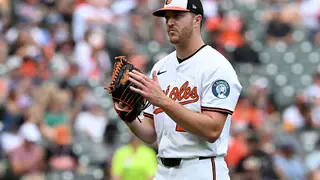
The Chicago Cubs have signed left-handed pitcher Trevor Rogers to a five-year, $120 million deal, addressing their biggest need in the starting rotation. Rogers, who posted a 3.16 ERA over the past two seasons and a 2.90 ERA in his final 20 starts of 2026, is expected to anchor the Cubs' rotation for years. The move marks a significant step in rebuilding their pitching staff after losing several starters to free agency.
The Chicago Cubs have signed left-handed pitcher Trevor Rogers to a five-year, $120 million contract, officially securing him as their top starting pitcher ahead of the 2027 season. The deal, finalized on November 24, 2026, marks a pivotal move in the team’s rebuilding strategy after losing key starters to free agency. Rogers, 29, posted a 3.16 ERA over the past two seasons, with a standout 2.90 ERA in his final 20 starts of 2026. His resurgence began after being traded from the Miami Marlins to the Baltimore Orioles in 2024, where he posted a 1.81 ERA in 2025 and became one of the most dominant pitchers in baseball during the second half of 2026. The Cubs, who had been seeking a frontline starter after Tarik Skubal signed with the Mets, saw Rogers as a high-impact, durable option due to his command-first approach and elite control. The contract is the third-largest in Cubs history and includes draft compensation: the team will forfeit their second- and fifth-highest picks in the 2027 MLB Draft and $1 million in international bonus pool money. Rogers’ unique four-seam fastball, which generates 15.3 inches of vertical break and 10.7 inches of horizontal break despite average velocity, has been central to his success. His 5.6% walk rate and strong contact suppression in 2026 (above the 60th percentile in exit velocity, hard-hit rate, and barrel rate) underscore his effectiveness. The Cubs now project him as SP1 in their updated rotation, with Justin Steele and Edward Cabrera expected to follow. What remains unclear is how well Rogers’ performance will hold up over the long term, especially as he ages, and whether the team’s investment will translate into postseason success.
This signing could reshape the competitive landscape in the National League Central, where the Cubs aim to reestablish themselves as contenders. By investing heavily in a pitcher with a proven track record of late-season dominance and command-based effectiveness, the Cubs may be signaling a shift toward sustainable pitching depth rather than relying on short-term fixes. The move may also influence other teams’ strategies in future free-agent cycles, particularly those with aging rotations or draft capital to trade. Comparable to the 2019 Yankees’ signing of Gerrit Cole, this deal reflects a trend of teams betting on high-upside, high-risk arms with strong underlying metrics. However, unlike Cole’s immediate impact, Rogers’ long-term durability and ability to maintain elite command beyond age 30 remain uncertain. The loss of draft picks and bonus pool money could affect the Cubs’ ability to develop young talent, potentially creating a trade-off between immediate competitiveness and future flexibility. What may unfold is a broader trend of teams prioritizing proven mid-rotation arms with high floor and low risk over flashy but unproven prospects. The coming seasons will reveal whether this investment ages well, especially as the Cubs face increased pressure to deliver on the promise of a revitalized pitching staff.