Russian aircraft approach South Korean island, prompting air raid alert and fighter jet scramble
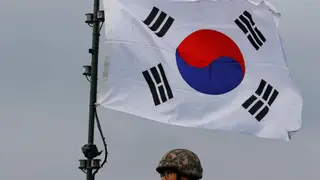
On November 24, Russian military aircraft entered South Korea's Air Defense Identification Zone near Ulleungdo Island, prompting an air raid alert and the scrambling of South Korean fighter jets. The incident marked the second such occurrence in a week, with officials noting that Russia did not violate sovereign airspace but that the response prevented a potential breach. The event underscores rising tensions between Russia and South Korea amid ongoing regional military posturing.
On November 24, 2026, Russian military aircraft entered South Korea’s Air Defense Identification Zone (KADIZ) near Ulleungdo Island in the Sea of Japan, prompting an air raid alert and the immediate scramble of South Korean fighter jets. The alert, issued at 7:52 a.m. local time, instructed residents to evacuate to underground shelters or nearby buildings with the message “Evacuation, air raid,” and was lifted just three minutes later after the aircraft departed. This marked the second such incident in a week, following a similar intrusion on November 17, both occurring without a violation of South Korea’s sovereign airspace. The South Korean Defense Ministry confirmed that the aircraft did not cross into national territory but emphasized that the rapid response likely prevented a potential breach. The incident underscores growing military activity in the region, particularly involving Russian and Chinese aircraft, with a notable joint exercise in June involving nearly 10 Russian and Chinese aircraft in the same zone. South Korea’s military has previously protested such movements through diplomatic channels, and on November 24, the Defense Ministry planned to summon Russia’s military attaché in Seoul to formally complain. The event reflects broader regional tensions amid increased military posturing by Russia, especially in the East Sea, and highlights the strategic importance of the KADIZ as a monitoring tool for potential threats.
The incident could signal a shift in Russia’s strategic calculus, using airspace near South Korea not for direct aggression but as a form of deterrence or testing of regional defenses. While no sovereignty was breached, the psychological impact on civilians in Ulleungdo—especially with a real-time air raid alert—may heighten public anxiety about security in remote areas. South Korea’s response, including the scramble of fighter jets and diplomatic protest, demonstrates a firm stance on sovereignty and regional stability, potentially reinforcing alliance cohesion with the United States. The event may also influence regional military planning, with South Korea possibly increasing surveillance or joint drills with allies. A comparable earlier case is the 2014 Russian incursion into Crimea, where a show of force preceded formal annexation—though the current situation lacks territorial ambition, it may serve similar signaling purposes. What remains uncertain is whether Russia’s actions are coordinated with China or part of broader military exercises. The next phase to watch is whether South Korea escalates diplomatic pressure or enhances its air defense capabilities in response, and how the U.S. and Japan might adjust their posture in the region.