Phoebe Bridgers Announces Second Leg of Lost Weekend Planetarium Events
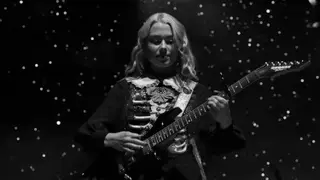
Phoebe Bridgers has announced a second leg of her Lost Weekend planetarium listening parties, taking place from November 30 to December 13 across North America, Europe, and Australasia. Each event features a live playback of her album paired with either a custom dome show by Babak Tafreshi or an immersive laser show by Laser Fantasy. The events are part of her extended 2027 tour, which continues into the following year.
Phoebe Bridgers has announced a second leg of her Lost Weekend planetarium listening events, scheduled from November 30 to December 13, 2026, across North America, Europe, and Australasia. These intimate, camera-free gatherings feature a full live playback of her album *Lost Weekend* synchronized with either a custom dome show by renowned night-sky photographer Babak Tafreshi or an immersive laser show by Laser Fantasy. The events are part of her extended 2027 tour, signaling a continued commitment to experiential music presentation beyond traditional concert formats. The original series launched in August 2026, drawing attention for its fusion of music, astronomy, and visual art. The new dates expand the reach of a concept that began as a niche artistic experiment, now evolving into a transcontinental cultural event. Bridgers, known for her introspective songwriting and innovative live performances, appears to be deepening her exploration of sensory storytelling through collaboration with specialized visual artists and venue partners. The success of the initial run likely influenced the decision to expand, though no official metrics on attendance or audience reception have been released. What remains unclear is whether these events will be permanently integrated into her touring model or remain limited to a specific promotional cycle.
These planetarium events could signal a broader shift toward immersive, multi-sensory concert experiences in the music industry, particularly for artists seeking to differentiate themselves in a saturated market. By removing cameras and emphasizing shared, contemplative environments, Bridgers may be cultivating a new kind of fan engagement that values presence over documentation—potentially influencing how other artists approach live performances. The collaboration with visual specialists like Tafreshi and Laser Fantasy reflects a growing trend of cross-disciplinary art in music, similar to how Radiohead’s 2016 “A Moon Shaped Pool” immersive tour used visual installations to deepen emotional resonance. If successful, such events may prompt other labels and venues to invest in similar high-concept formats, potentially raising production costs and altering the economics of touring. However, the exclusivity and niche nature of planetariums may limit accessibility, raising questions about equity in cultural access. The long-term impact on ticketing models, streaming behavior, or even album release strategies remains uncertain. What’s next could be a wider adoption of experiential listening events by other artists, especially in the indie and alternative genres, though this remains speculative.