Marc Marquez Secures 2026 MotoGP Championship Through Tactical Mastery and Resilience
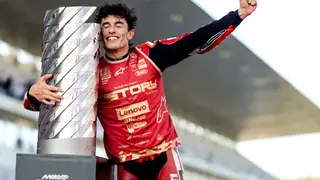
Despite facing strong competition from factory Aprilia bikes, Marc Marquez clinched the 2026 MotoGP World Championship with a round to spare. His victory was built on strategic racecraft, consistent performance, and overcoming mechanical and physical challenges throughout the season. The title marks his return to dominance after a period of setbacks.
Marc Marquez secured the 2026 MotoGP World Championship with one race remaining, marking a decisive comeback after a season defined by adversity and strategic precision. Despite facing formidable competition from factory Aprilia machines, which had shown strong pace throughout the year, Marquez maintained consistent performance across the season’s grueling schedule. His championship victory was not achieved through outright speed alone but through superior racecraft, including calculated tire management, intelligent positioning during key moments, and resilience in overcoming mechanical issues and physical setbacks that affected his performance in several races. The title represents a significant return to form for Marquez, who has endured a period of setbacks in recent years, including injuries and a prolonged absence from top-tier competition. His ability to reclaim dominance underscores a resurgence of both personal and technical mastery.
The broader context of this achievement lies in Marquez’s history as a dominant force in MotoGP, with multiple previous titles and a reputation for aggressive, intelligent riding. His return to championship contention after a period of recovery and adaptation reflects a strategic evolution in his approach to racing. The factory Aprilia team, known for investing heavily in development, had emerged as a serious title contender, challenging the long-standing dominance of other factory teams. Marquez’s success may signal a shift in competitive dynamics within the sport, where experience and adaptability can offset raw speed. What remains unclear is how this victory will influence future team strategies, rider contracts, and the balance of power among manufacturers in the coming seasons.
Marquez’s 2026 title could reshape perceptions of comeback narratives in elite motorsports, reinforcing the value of resilience and tactical intelligence over raw physical dominance. For fans and sponsors, this victory may elevate the emotional and commercial appeal of MotoGP, highlighting the human element behind elite performance. The success of a rider overcoming physical and mechanical challenges may inspire broader narratives around perseverance in high-stakes athletic competition. In the wider sports world, this could influence how teams approach athlete rehabilitation and long-term development, particularly in injury-prone disciplines. A comparable precedent exists in Formula 1 with Lewis Hamilton’s 2020 championship, where consistency and strategic adaptability overcame a dominant car advantage. However, unlike Hamilton’s case, Marquez’s comeback is more directly tied to physical recovery and technical adaptation. What may unfold next is a shift in how manufacturers balance innovation with rider feedback, especially as Marquez’s experience could inform future bike design. The long-term impact on rider longevity and team investment in recovery programs remains to be seen.