Rectangular watch cases gain favour as luxury buyers seek classic elegance
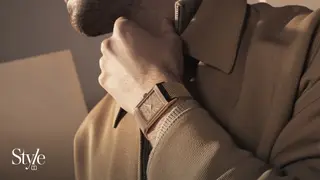
According to a Chrono24 report, demand for rectangular watch cases rose 9.3 per cent year on year in 2025, driven by a shift towards classic elegance and understated luxury. The shape, which dates back to early 20th century wristwatches, is being embraced by collectors looking for distinctive silhouettes. Brands like Cartier, Patek Philippe and Audemars Piguet are seeing renewed interest in their rectangular models.
The rectangular case's resurgence reflects a broader correction in luxury tastes, with dressier timepieces now outperforming sports models in secondary markets. Chrono24's data points to a 9.3 percent year-on-year demand increase, a shift attributed to buyers seeking silhouettes that diverge from the ubiquitous round sports watch. The shape's historical pedigree is considerable: Louis Cartier conceived the Tank in 1917, drawing inspiration from military vehicles on the Western front, while Jaeger-LeCoultre introduced the Reverso in 1931 specifically for polo players, its swivelling case protecting the crystal from impact.
The design also presented technical hurdles that watchmakers had to overcome. Early rectangular cases often housed round movements, leaving awkward empty space at the corners. This prompted the development of purpose-built rectangular calibres, a refinement that contributed to the shape's association with craftsmanship. The art deco era of the 1920s and 30s, with its emphasis on symmetry and geometric lines, further cemented the rectangular case as a symbol of elegance, a legacy now being rediscovered by collectors.
This trend could signal a meaningful shift in how luxury is expressed, moving away from ostentatious sports watches toward quieter, more historically rooted designs. Collectors and first-time buyers alike may find themselves drawn to pieces that offer distinction without volume, potentially reshaping inventory priorities for retailers and auction houses. The renewed interest could also benefit heritage brands like Cartier and Jaeger-LeCoultre, reinforcing their positions in a market increasingly saturated with tech-driven wearables. However, whether this represents a lasting cultural turn or a passing cycle remains uncertain, as fashion in horology has historically oscillated between boldness and restraint.