Coronary calcium imaging offers clarity for uncertain statin decisions
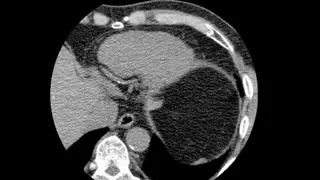
New research indicates that coronary artery calcium scans, while increasingly used, only influence statin prescribing decisions in a minority of borderline cases. The findings suggest the test's utility is limited to specific patient groups.
Coronary artery calcium (CAC) scans use CT imaging to detect calcified plaque in the heart's arteries, offering a direct visual measure of subclinical atherosclerosis. In clinical practice, these scans are often positioned as a tiebreaker when a patient's cardiovascular risk is ambiguous—particularly when the decision to start a statin is not clear-cut based on traditional risk factors like cholesterol levels, blood pressure, and age.
The new research suggests that despite the test's growing availability and popularity, its practical effect on prescribing behavior is modest. Rather than broadly reshaping treatment plans, the scan appears to carry weight mainly for a narrow subset of patients whose risk profiles sit on the borderline. This raises questions about cost-effectiveness and appropriate patient selection, as clinicians weigh the added information against the expense and radiation exposure of the procedure.
This finding could influence how physicians and insurers approach cardiac screening. If CAC scans only shift decisions for a small group, healthcare systems may reconsider coverage policies or referral guidelines to avoid unnecessary testing. Patients facing uncertain statin decisions may still benefit from the scan, but the results suggest its value is not universal. Ultimately, this could lead to more targeted use of imaging, ensuring resources are directed toward those most likely to have their treatment meaningfully changed.