Japanese avant-garde artist Yayoi Kusama passes away at 97
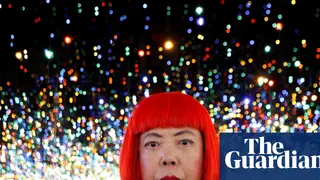
Yayoi Kusama, the renowned Japanese artist known for her polka dots and immersive mirror installations, has died at the age of 97. Her studio announced that she passed away in a Tokyo hospital on 14 August. Kusama continued to paint until her final days, leaving a legacy of avant-garde work spanning visual art, performance, and literature.
Kusama’s career spanned seven decades, beginning with her 1958 move to New York, where she developed her signature “infinity net” paintings and sold her first work to artists Frank Stella and Donald Judd for $75 in 1962. That same piece later sold for $7.1 million in 2014, setting an auction record for a living female artist. Her early output also included provocative performance pieces, such as “body festivals” with nude, polka-dotted performers, and a 1960s letter to President Nixon offering a personal encounter in exchange for ending the Vietnam War.
Her childhood in Matsumoto was marked by hallucinations of talking flowers, which she processed through drawing, and wartime labor producing fabric for army parachutes at age 13. Despite decades living in a psychiatric hospital, she continued painting daily until her death, with her studio confirming she passed away in a Tokyo hospital on 14 August. Her final works explored themes of “forever love and eternal soul,” and her studio pledged to carry forward her artistic mission of bringing hope globally.
Kusama’s death could reshape the contemporary art market, as her infinity mirror installations have drawn massive museum crowds and fueled a social-media-driven surge in attendance. Her passing may prompt renewed institutional retrospectives and a spike in secondary-market prices for her works, affecting collectors and galleries. For younger audiences, her legacy as a female artist who overcame mental illness and cultural barriers could continue to inspire discussions about art, resilience, and accessibility, though her commercial dominance may also invite scrutiny of how mental health narratives are commodified.