Museum specimen DNA confirms new Himalayan pangolin species
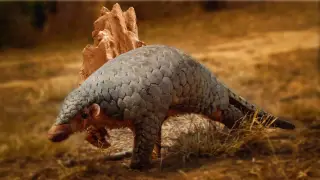
DNA from a nearly 190-year-old museum specimen has confirmed a distinct pangolin species, Manis aurita, living in Nepal and northern India. The finding clarifies pangolin relationships and could help authorities trace illegal trade in pangolin scales to specific regions.
The newly confirmed species, Manis aurita, was originally described in 1836 but had long been folded into the Chinese pangolin classification. Under scientific naming conventions, the earliest valid name takes priority, meaning the 2025 designation of Manis indoburmanica must yield to the older name. Researchers resolved this taxonomic puzzle by extracting DNA from a museum specimen nearly 190 years old and comparing it with modern samples from the Himalayan region.
Pangolins are distinguished by their overlapping keratin scales, powerful tails, and curved claws, and they rank as the world's most trafficked mammals. The clarified family tree now gives wildlife authorities a forensic tool: by analyzing scales confiscated from illegal trade, they can determine which species and geographic populations are being targeted, enabling more precise conservation interventions across Nepal, India, and neighboring regions.
This discovery could meaningfully strengthen wildlife protection efforts by enabling forensic tracing of pangolin scales to their source populations, helping authorities focus enforcement where poaching pressure is highest. Conservation groups and local communities in Nepal and northern India may benefit from more targeted habitat protections and anti-trafficking measures. The finding also underscores how museum collections can yield critical data for modern biodiversity science, potentially encouraging greater investment in specimen archives and genetic research as tools for safeguarding endangered species worldwide.