Early-Life Stress Alters DNA Packaging in Brain, Increasing Later Sensitivity
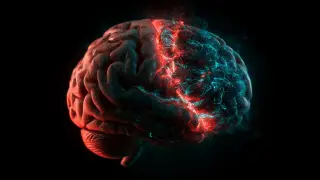
Researchers identified a process where childhood stress changes how DNA is packaged in brain cells, making stress-related genes more easily activated. In mice, blocking this effect prevented heightened anxiety and stress sensitivity in adulthood. The study, published in Neuron, offers a potential target for new treatments.
The study zeroed in on the ventral tegmental area, a dopamine-producing region that processes both rewards and adversity. When stress hyperactivates these neurons, reward signaling can become disrupted, which researchers link to heightened vulnerability to anxiety and depression. The epigenetic mechanism involves SETD7, an enzyme found at elevated levels in stressed young mice, which deposits a chemical tag called H3K4me1 onto histone proteins. This tag loosens the tightly coiled DNA structure, leaving stress-related genes more accessible for activation later.
The research team successfully blocked this epigenetic effect in mice, preventing the heightened anxiety and stress sensitivity that typically emerged in adulthood. This suggests the molecular change is not merely a passive marker of early adversity but an active biological mechanism that could potentially be interrupted. The findings build on the known statistic that more than half of children worldwide experience some form of early-life stress, with four or more adverse events correlating with sharply elevated risks of later mental health problems.
This research could eventually inform therapeutic strategies for the large population of adults who experienced childhood adversity, potentially offering a biological target for interventions that address the root cause of stress sensitivity rather than just its symptoms. Clinicians may one day use such findings to identify at-risk individuals earlier, though translating mouse models to human treatments remains a lengthy process. The work may also reshape how society views childhood trauma—as a physical, biological phenomenon rather than purely psychological—which could influence public health priorities and funding for early intervention programs.