Wildfire chaos reroutes family's 9,000-mile U.S. journey
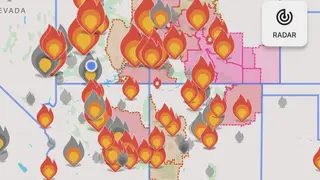
A family's cross-country road trip was disrupted by multiple wildfires burning across Utah, including the massive Cottonwood Fire, which forced them to abandon their planned route and seek safer highways. They relied on real-time fire tracking apps and purchased N95 masks to protect against smoke as they navigated the hazardous conditions. The experience highlights how climate-driven extreme weather is increasingly complicating traditional American travel rituals.
The Cottonwood Fire had consumed roughly 94,000 acres, making it the largest active blaze in the country at the time, while the Jones Fire burned near the abandoned settlement of Cisco. With more than a dozen fires burning statewide, road closures and heavy smoke forced the family to abandon their direct route and rely on smaller highways, adding considerable time to their drive.
The journey itself carried personal significance: the husband had recently completed a year of cancer treatment, and the author had arranged a sabbatical from her climate journalism work. Their planned visit to 14 national parks was meant to celebrate recovery and family time, but instead offered an unplanned lesson in how extreme weather now shapes even the most ordinary travel decisions.
This story may resonate with the many American families who view cross-country road trips as a cultural touchstone. As wildfires and other extreme weather events become more frequent, travelers could face added costs, health risks from smoke, and the need to build flexibility into their plans. Tourism-dependent communities may also feel the ripple effects as visitors alter or abandon routes, potentially reshaping regional economies and the summer