Artist Yayoi Kusama's relentless creative drive and reflections on aging, remembered after her passing at 97
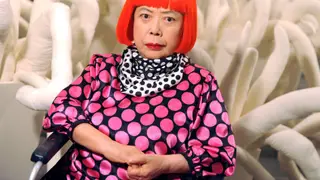
Yayoi Kusama, the renowned Japanese artist known for her polka dots and infinity mirrors, died at age 97, having maintained an intense work schedule throughout her life. In a 2014 interview, she described waking early and working until late at night, sometimes past 3 a.m., to produce art. Her dedication to creativity remained undiminished even in her final years.
Kusama's practice was defined by an extraordinary discipline that she sustained for decades. Her days began early and stretched deep into the night, with work sometimes continuing past 3 a.m., a rhythm she described in a 2014 conversation. This relentless output was central to her identity as an artist, not merely a habit but a driving force behind her vast body of work.
Even as she entered her nineties, that commitment never wavered. Her final years were marked by the same creative urgency that had characterized her earlier career, ensuring that her artistic voice remained active until the very end. Her passing at 97 closes a chapter of singular productivity, leaving behind a legacy of immersive, pattern-driven works that captivated global audiences.
Kusama's death could resonate deeply within the contemporary art world, where her influence on installation and immersive art is widely felt. Museums and galleries holding her work may see renewed visitor interest, while younger artists might reflect on her model of lifelong creative dedication. For the broader public, her story may reinforce a perspective on aging as a period of continued vitality, challenging assumptions about productivity and passion in later life.