Alpine ice melt accelerates toward historic high amid relentless heat
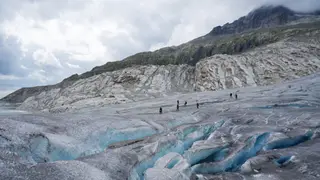
The Rhône glacier in Switzerland has lost more than 9 meters of ice this summer, equivalent to 12,000 Olympic swimming pools. A string of heatwaves, including Europe's most severe on record in June, has accelerated melting across the Alps. Researchers warn that if warm weather persists, the region could exceed the 2022 record, losing an additional 6% of its glacier ice.
The Rhône glacier’s rapid thinning this season stems from a combination of extreme heat and dark surface debris, which accelerates solar absorption. Monitoring teams use drilled stakes and ground-penetrating radar to track melt and subglacial water flow, revealing how internal rivers can collapse ice from below. Beyond Switzerland, Austrian researchers report similar trends, with dozens of additional glaciers expected to disappear this year alone. The loss threatens not only mountain tourism—including ski areas and ice tunnels—but also the long-term stability of river systems that depend on seasonal glacial meltwater.
If record ice loss continues, downstream communities could face reduced summer river flows, affecting agriculture, hydropower, and drinking water supplies. More frequent ice and rock avalanches may also endanger hikers and mountain infrastructure. While immediate impacts are regional, the Alps serve as a bellwether for global glacier retreat, potentially influencing water policy and disaster preparedness worldwide.