Glacial collapse triggers catastrophic flash flood in Nepal, leaving hundreds missing
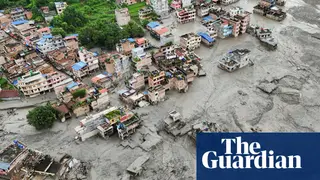
A glacial collapse in the Himalayas unleashed a flash flood that devastated border areas of Nepal and Tibet, killing at least 165 people. Nearly 1,500 are missing, including many foreign tourists on pilgrimage. Rescue teams are working to locate survivors amid the destruction.
The disaster originated roughly 20 kilometers northeast of the Rasuwagadhi border crossing, where satellite imagery indicated a landslide of ice and rock unleashed a debris-laden flood along the Lhende River. The US Geological Survey determined that what initially appeared to be a 4.4-magnitude earthquake was actually the seismic signature of the collapsing glacial material itself, not a tectonic event.
Many of those unaccounted for were pilgrims traveling to Kailash Mansarovar, a sacred high-altitude site in Tibet revered by Hindus and Buddhists. Among the missing in Nepal were 177 Indians, 63 Americans, 34 Australians, 33 Britons, and 25 Canadians, while Chinese state media reported at least 558 missing on the Tibetan side, including 260 foreign nationals.
This disaster could reshape perceptions of trekking and pilgrimage safety in the Himalayas, potentially deterring international visitors and disrupting local economies that depend on mountain tourism. The event may also intensify concerns about glacial instability across the region, prompting governments and aid organizations to reassess early-warning systems and evacuation protocols for remote border communities.