Philippines' military pension costs threaten defence modernisation budget
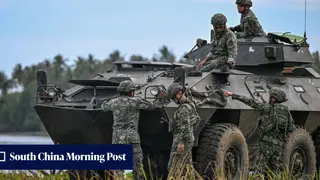
The Philippines' proposed 2027 defence budget allocates 142.95 billion pesos for military and uniformed personnel pensions, up 7% from 2026, squeezing funds for new equipment. Unlike civilian workers, military personnel do not contribute to pension funds, and reform proposals have stalled in Congress. The rising pension bill could undermine the country's military modernisation efforts and deterrence capabilities.
The pension line item accounts for roughly 44 percent of the proposed 324.6 billion peso defence budget, leaving a comparatively smaller share for procurement, operations, and maintenance. Unlike civilian state workers who contribute to their retirement funds, military personnel receive pensions drawn entirely from the national budget, a structural imbalance that reform bills have failed to resolve in Congress.
The funding squeeze coincides with heightened US pressure on Manila to increase defence spending. As pension costs climb year over year, the gap between modernisation ambitions and available resources widens, potentially delaying acquisitions of naval vessels, aircraft, and other priority equipment needed for credible deterrence.
The rising pension burden could force difficult trade-offs between honouring commitments to retired service members and equipping active forces, potentially affecting national security readiness. Taxpayers may face sustained fiscal pressure if the system remains unreformed, while delayed modernisation could weaken deterrence in a region of growing strategic competition. The outcome of this budget tension may ultimately shape the Philippines' capacity to respond to security challenges in the coming years.