Moscow turns to foreign gasoline as domestic refining collapses under drone campaign
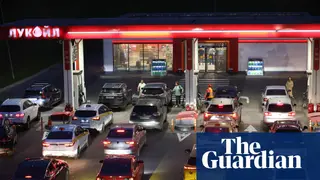
Russia has been forced to import gasoline from Turkey and India and to process crude in Kazakhstan after Ukrainian drone strikes crippled its refineries. Fuel rationing has appeared at petrol stations, and imports from Belarus have surged. The Kremlin is scrambling to plug a refining capacity gap that has turned the world's second-largest oil producer into a net importer of vehicle fuel.
Russia's fuel crisis has deepened despite emergency measures, with at least six regions now imposing or tightening gasoline sales restrictions. The Orsk refinery was completely shut down following the latest wave of Ukrainian strikes, while August has already seen 18 attacks on processing facilities, matching the previous month's record. Industry analysts note output had already fallen 28 percent before the intensified campaign.
The Kremlin's response has involved unusual logistics: a sanctioned tanker carrying Turkish gasoline to the Baltic port of Primorsk, crude sent by rail to Kazakhstan's Kondensat refinery for processing, and fuel imports from Belarus surging 141-fold year-on-year in June. Deputy Prime Minister Alexander Novak acknowledged the situation shifts daily, with federal headquarters convening twice weekly to coordinate regional responses.
This crisis could reshape Russia's domestic stability and war economics simultaneously. Fuel rationing affects ordinary citizens directly, potentially straining public tolerance for the conflict, while lost refining revenue may reduce Moscow's capacity to sustain military operations. The reliance on imports from allied and neutral nations could also expose Russia to new leverage points, as suppliers gain influence over a critical resource. Broader global fuel markets may feel ripple effects if Russian export volumes shift to meet domestic demand.