Senator's remarks on Trump aide spark debate over political tactics
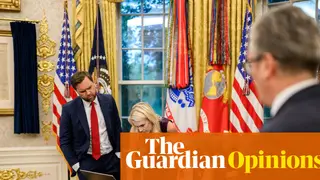
Democratic Senator Jon Ossoff's recent comments about White House aide Natalie Harp have ignited discussion about sexism in political discourse. The remarks are seen as part of a shift in how Democrats target the Trump administration. The article examines the ethical implications of such personal attacks.
The article centers on Democratic Senator Jon Ossoff’s campaign trail remark about Natalie Harp, a 35-year-old White House aide to President Trump. Harp’s role, as detailed in the book *Regime Change* by Maggie Haberman and Jonathan Swan, includes managing the president’s social media and carrying a portable printer to supply him with flattering news. Two letters from Harp to Trump, published by The Daily Beast, show extreme devotion, calling him her “Guardian and Protector.” Ossoff’s comment is framed as part of a broader Democratic shift toward personal attacks on Trump’s inner circle, raising questions about sexism and political ethics.
The piece, written by Moira Donegan, argues that Ossoff’s tactic “worked” politically but probes the moral cost of such gendered insinuations. It notes that Harp’s influence—despite her odd portrayal—makes her a significant federal figure, yet her public image is defined by subservience. The discussion reflects a turning point in how Democrats target the administration, blending legitimate criticism with ad hominem strategies that may alienate voters or normalize disrespect.
This story could shape public perception of political discourse, particularly how personal attacks on staffers are judged. Women in politics and aides may feel heightened scrutiny, while voters might see such tactics as either justified pushback or a decline in civility. The debate may influence Democratic strategy in upcoming elections, potentially affecting voter turnout and trust in political institutions. It also highlights how gender dynamics intersect with partisan conflict, though the long-term impact remains uncertain.