The False Premise Behind Foreign Aid Cuts
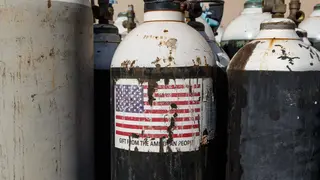
A Stanford lecturer argues that the assumption that Americans oppose foreign aid is mistaken, and that this misreading has shaped policy debates. The dismantling of USAID contributed to similar cutbacks by other donors, leading to a record 23.1 percent decline in official development assistance in 2025. The article contends that the political debate over foreign aid's future rests on a faulty premise about public opinion.
The article argues that Washington's assumption about public hostility toward foreign aid is contradicted by polling data. While the term "foreign aid" tests poorly, specific initiatives—humanitarian relief, global health programs, food security, and disaster response—consistently attract bipartisan support. Surveys indicate Americans overestimate aid's share of federal spending, and support increases when they learn it represents roughly one percent of the budget. Pew Research found approximately eight in ten Americans favored medicine and food assistance in 2025.
The dismantling of USAID triggered a broader retreat among international donors. The United Kingdom, France, and Germany followed with budget reductions, contributing to a record 23.1 percent drop in official development assistance from OECD nations in 2025. This suggests the U.S. decision had cascading global consequences beyond domestic political calculations.
This story could influence how policymakers frame future aid debates, potentially shifting the political calculus if public opinion is genuinely more favorable than assumed. The record decline in development assistance may affect millions relying on humanitarian programs, possibly worsening health outcomes and food security in vulnerable regions. However, this represents one expert's interpretation, and actual policy direction will depend on how political leaders weigh these findings against competing budget priorities and electoral pressures.