RTX 3060 12GB revival backfires as prices soar to $500, matching newer RTX 5060
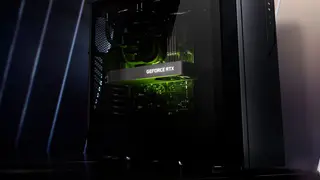
Nvidia's reintroduced RTX 3060 12GB has seen its price climb roughly 45% since late June, with most models now near $500. For example, MSI's Ventus 2X OC rose from $300 to $480, while Asus's Dual V2 OC jumped from $330 to $500. At that price, the older card costs about the same as the faster and more efficient RTX 5060.
The RTX 3060 12GB’s revival was intended as a stopgap during the AI-driven memory shortage, but retail listings show the strategy has backfired. Within two months, MSI’s Ventus 2X OC climbed from $300 to $480, while Asus’s Dual V2 OC reached $500—a 52% hike. Even the cheapest model, Gigabyte’s Windforce OC, now sits at $460, up 35% from its June launch price. International pricing is steeper, with UK listings converting to roughly $566.
The price surge places the 2021-era card directly against newer options. The RTX 5060, two generations newer, sells for about $450 and outperforms the 3060 at 1080p and 1440p, matching the RTX 3070’s performance while offering DLSS multi-frame generation. The 3060’s sole advantage—12GB of VRAM—doesn’t compensate for its weaker silicon, and even the $300 RTX 5050 is faster. Manufacturing costs are lower for Nvidia due to older GDDR6 memory and Samsung’s 8nm node, yet those savings haven’t reached consumers.
This price inversion could distort budget-gamer choices, pushing buyers toward newer cards or the used market. If the 3060 12GB remains near $500, it may reinforce perceptions that mid-range GPUs are unaffordable, potentially slowing upgrades and extending older hardware lifespans. However, the situation may also accelerate adoption of the RTX 5060 and 5050, as their value becomes clearer. Retailers and Nvidia could face reputational pressure if the revival appears exploitative, though market forces—not policy—will likely determine whether prices stabilize or continue climbing.