Iran and Qatar discuss Hormuz as US blockade tightens
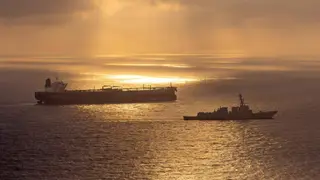
Iran's foreign minister met his Qatari counterpart in Tehran to discuss the Strait of Hormuz amid a US naval blockade that is cutting off Iranian oil supplies. The talks follow similar meetings with Omani and Pakistani officials. Qatar's foreign ministry emphasized respect for sovereignty and freedom of navigation.
The Tehran meeting between Iranian Foreign Minister Abbas Araghchi and Qatari Prime Minister Sheikh Mohammed bin Abdulrahman Al Thani marks the latest in a series of diplomatic contacts following separate talks with Omani and Pakistani officials. Qatar's foreign ministry stressed the importance of respecting sovereignty and maintaining freedom of navigation through the strategic waterway, while also discussing a proposed framework for Hormuz originally developed between Iran and Oman.
The blockade has created tangible domestic consequences, with Vice President Mohammad Jafar Ghaempanah acknowledging that Iran cannot import sufficient petrol to meet domestic demand. Long queues have formed at fuel stations, and presidential chief of staff Mohsen Haji-Mirzaei indicated petrol quotas would be reviewed. The April ceasefire and June deal brokered by Qatar and Pakistan have collapsed, while Washington threatens expanded secondary sanctions as part of its "economic asphyxiation" campaign.
The blockade's effects could ripple well beyond Iran's borders, potentially straining regional relationships as Gulf states balance security concerns against economic interdependence. Iranian civilians may face worsening fuel shortages and rising prices, which could fuel domestic discontent during an already difficult period. Global energy markets could experience volatility if Hormuz shipping remains contested, affecting consumers worldwide. The diplomatic efforts by Qatar, Oman, and Pakistan may shape future regional alignments, though the collapse of previous agreements suggests durable resolution remains uncertain.