Waymo argues lidar and radar are essential for safe autonomous driving
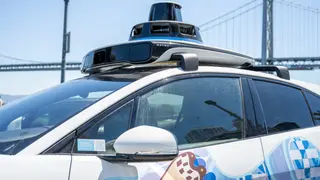
Waymo's software chief has published a blog post asserting that camera-only autonomous driving is inadequate, citing the company's 200 million miles of real-world data. The post, which does not mention Tesla directly, argues that safe full autonomy requires a combination of sensors like lidar and radar. Waymo's system uses multiple sensor types to create a redundant view of the world.
Waymo's software chief, Srikanth Thirumalai, published a blog post drawing on the company's 200 million miles of autonomous driving to argue that camera-only systems cannot achieve safe full autonomy. Waymo's vehicles combine cameras with lidar and radar to build a redundant perception of the environment, so a single sensor failure doesn't blind the vehicle.
Tesla remains the notable outlier, with its AI leadership publicly dismissing lidar as unnecessary and defending a vision-only approach. The debate has policy implications: New Jersey lawmakers are weighing legislation that could restrict camera-only autonomous systems from operating in the state, potentially shaping where Tesla's upcoming Cybercab can launch.
This dispute could influence how autonomous vehicles are regulated and deployed across the country. If Waymo's multi-sensor argument gains traction with policymakers, Tesla's camera-only Cybercab may face market restrictions, affecting consumer access to robotaxi services. Conversely, if Tesla's approach proves viable, it could lower costs and accelerate adoption. The outcome may shape safety standards, insurance requirements, and public trust in self-driving technology for years to come.