Lunar eclipse to turn moon red Thursday night; here are peak viewing times by state
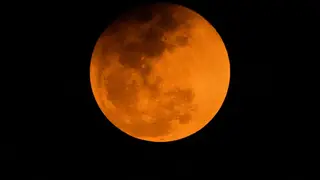
A partial lunar eclipse will occur Thursday night, with the moon 96% covered by Earth's shadow. The best viewing time varies by time zone, with maximum coverage happening at different times across the country. The eclipse will be visible across North America, though eastern states will have a better view.
The eclipse’s peak coverage of 96% places it just shy of a total lunar eclipse, yet the reddening effect—caused by Earth’s atmosphere scattering blue light—will still be pronounced. Viewers in the Eastern and Central time zones get the most favorable alignment, as the moon sits higher in the sky during the maximum phase. Those in Hawaii and Alaska face a tighter window, with the moon low near the horizon shortly after sunset, limiting the view of the eclipse’s later stages. The penumbral phase, which bookends the partial eclipse by roughly an hour on each side, offers a subtler dimming that casual observers may miss.
This event could draw casual skywatchers and families outdoors on a weeknight, fostering shared community moments and brief engagement with science. For news outlets, it provides a low-stakes, visually appealing story that may boost local readership. However, its practical impact is limited—no disruptions to daily life are expected, and the partial nature may disappoint those anticipating a full blood moon. Still, it serves as a gentle reminder of celestial rhythms, potentially encouraging interest in future astronomical events.