Air Force tests AI-driven drone detection and shotgun countermeasures
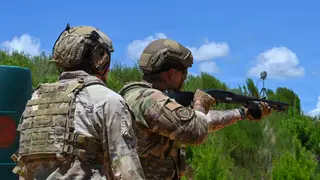
Airmen are being trained to use artificial intelligence systems to scan the sky for drones and then engage threats. The approach combines high-tech detection with traditional shotgun methods.
The U.S. Air Force is pairing advanced artificial intelligence with a decidedly low-tech response in its latest counter-drone initiative. Airmen are now training to use AI-assisted systems that continuously scan the sky, identify potential drone threats, and support engagement decisions. Once a target is confirmed, operators may employ traditional shotgun tactics to neutralize the aircraft — a method that remains effective against small, slow-moving consumer drones.
This hybrid approach reflects a broader trend in modern defense: integrating sophisticated sensor and machine-learning tools with practical, field-tested responses. As drone usage expands across both civilian and military spheres, forces are seeking adaptable solutions that balance rapid detection with reliable, cost-effective countermeasures. The program underscores how emerging technology is being layered onto existing procedures rather than replacing them outright.
This development could reshape how military installations and eventually civilian venues protect airspace from unauthorized drones. If successful, the AI-plus-shotgun model may influence security protocols at airports, stadiums, and critical infrastructure, where low-cost drone threats are a growing concern. It also raises questions about automation in lethal decision-making, though the shotgun element keeps human operators firmly in the loop. The approach's affordability could make it attractive to smaller agencies, potentially broadening drone-defense capabilities beyond elite military units.