Massive baleen whale gathering observed near Greenland's east coast
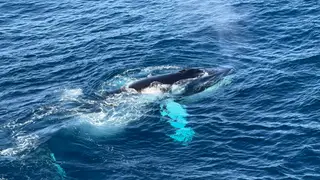
A reporter on a solar eclipse expedition witnessed hundreds of humpback and fin whales feeding off eastern Greenland, far exceeding initial estimates of 20 to 40 individuals. The whale population in the region has surged since 2000, likely because retreating sea ice has opened up previously inaccessible waters. Researchers note that local communities historically saw few baleen whales, but now encounter them regularly.
The sighting occurred during a solar eclipse expedition, with observers initially expecting a modest group. The actual gathering numbered in the hundreds, possibly approaching a thousand, as humpback and fin whales engaged in lunge-feeding near the surface. Researchers attribute the regional boom to reduced sea ice since 2000, which has opened feeding grounds and coincided with warmer waters rich in krill and small fish. Local communities historically saw few such whales, but now encounter them regularly. Recent surveys estimate roughly 4,000 humpbacks in the area, consuming about a million tonnes of prey during their four-month seasonal residence.
This dramatic increase in baleen whale numbers may reshape local ecological balances and tourism, as more visitors seek similar encounters. However, it also signals profound Arctic change, potentially straining food webs and affecting traditional hunting communities. The event could heighten public awareness of climate-driven shifts, though its long-term consequences for whale populations and regional ecosystems remain uncertain.