Glass substrate packaging still lacks commercial adoption despite progress
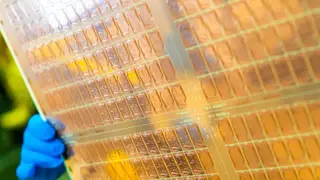
Glass-core substrates, once touted as a replacement for organic packaging, are now in final qualification but have not appeared in any commercial product. SKC's Absolics plant is undergoing package-level reliability tests in Taiwan, with results possible before year-end. Samsung Electro-Mechanics has formed a joint venture targeting production in 2027, while Intel has shifted to licensing its patents.
Glass-core substrates promise higher interconnect density and lower warpage than organic alternatives, but manufacturing hurdles persist. Edge chipping during drilling and dicing has been mitigated through coating, yet metallizing tiny vias and maintaining flatness across large panels remain unsolved. Early production runs at Absolics reportedly broke hundreds of panels in short spans, underscoring the gap between lab demos and volume output.
The timeline slippage is consistent across the industry. Absolics originally aimed for mass production in early 2024, while rumored AMD adoption by 2025–2026 never materialized. Intel now targets around 2030 for its own deployment, focusing on licensing and demo vehicles. Samsung Electro-Mechanics’ joint venture pushes production to 2027, suggesting a slow, cautious path toward commercial viability.
If glass substrates eventually reach scale, they could enable denser, more energy-efficient chips for AI and mobile devices, potentially lowering costs per transistor. But repeated delays mean near-term impact is minimal—supply chains and designers remain anchored to organic packaging. Consumers may see incremental performance gains only after 2027, and smaller firms could face adoption risks if early yields stay poor, widening the gap between packaging leaders and laggards.