Kashmir unrest persists as authorities maintain communications blackout
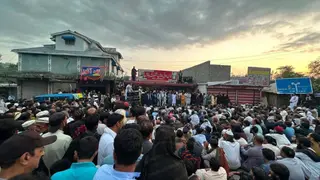
Demonstrations in Pakistan-administered Kashmir have continued for months despite a government crackdown and internet shutdown. The protests, led by the Joint Awami Action Committee, demand electoral reforms and greater autonomy. Clashes have turned deadly, with activists killed by security forces.
The Joint Awami Action Committee, formed in 2023, has been the central organizing force behind the demonstrations, which began in June following the collapse of negotiations over electoral and resource demands. Authorities designated the group as a terrorist organization on June 5, the same day the internet shutdown began, and restrictions on essential goods were also imposed. The July 27 protest in Rawalakot saw security forces employ snipers, light machine guns, and tear gas against demonstrators, with the Jammu Kashmir Human Rights Observatory working to verify casualty reports from the region.
The Pakistani government maintains that security forces have not suppressed peaceful political activity and states that internet access is being gradually restored. Local residents have resorted to climbing mountains to obtain mobile signals from outside the province, while foreign media access remains restricted, leaving citizens to document events through social media platforms.
This sustained unrest could reshape political dynamics in the disputed region, affecting daily life for residents already facing communication blackouts and supply restrictions. The protests may influence electoral legitimacy perceptions, as the July and August legislative elections occurred amid the crackdown. Regional stability could be impacted if the situation draws international attention to Kashmir governance, potentially affecting Pakistan's diplomatic standing and relations with neighboring countries.