Japan's Alliance with US Grows Increasingly One-Sided
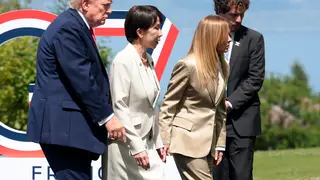
Japan has long prioritized its alliance with the United States, but the Trump administration's unpredictable policies have left Tokyo with little leverage. Prime Minister Sanae Takaichi faces unprecedented difficulties in managing a relationship that has become notably unbalanced. Despite Japan's status as a key ally, there is little it can do to counter the shifting US approach.
Japanese prime ministers have long measured their domestic standing by their ability to manage Washington ties, from Nakasone's rapport with Reagan to Koizumi's bond with Bush and Abe's personal courtship of Trump. Takaichi, trained in that tradition, has maintained cordial personal meetings with Trump, yet structural frictions persist beneath the surface.
The centerpiece of current tensions is a $550 billion investment pledge tied to auto tariff threats that the U.S. Supreme Court later overturned. Tokyo has committed to the deal regardless, with $36 billion already deployed and $73 billion in the pipeline. Some analysts frame this as a strategic entry into U.S. markets at China's expense, though meeting the full target by November 2028 appears increasingly unrealistic.
This imbalance could ripple through Japanese public confidence in the alliance, particularly if investment commitments yield limited returns while trade concessions continue. Japanese manufacturers and workers may face pressure from shifting U.S. policy priorities, and other American allies observing Tokyo's constrained position might reconsider their own reliance on Washington