Nvidia's Earnings Silence on Gaming Raises Questions About Next-Gen GPU Timeline
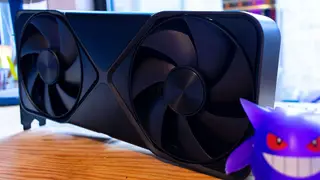
Nvidia's Q2 2027 earnings report highlighted a 106% surge in data center revenue but omitted any direct mention of gaming, reflecting the company's shift of that segment into edge computing. The report only referenced the RTX Spark chip, which is aimed more at local AI workloads than gaming. With rumors suggesting the RTX 6080 may not arrive until late 2027 and no mid-generation refresh announced, the current Blackwell lineup could mark one of the longest GPU generations in recent memory.
The Blackwell GeForce lineup, including the RTX 5090, launched roughly eighteen months prior to this earnings call, placing the current generation unusually deep into its lifecycle without a typical mid-cycle "Super" refresh. Industry reports from early 2026 suggested the RTX 60 series could slip past 2027 entirely, which would make this one of the longest GPU generations in recent memory. Meanwhile, Nvidia's software efforts—including the DLSS 5 preview and DLSS 4.5 ray reconstruction updates—have continued advancing, offering incremental improvements to existing hardware owners.
The RAM shortage has compounded the situation, driving graphics card prices steadily upward with each successive launch. Notably, recent titles like Crimson Desert and Forza Horizon 6 perform well on older systems, while demanding releases such as Star Wars Zero Company and Halo: Campaign Evolved push newer hardware requirements, creating a widening performance gap across the current install base.
Extended GPU generations could reshape consumer expectations and purchasing behavior, as gamers may hold onto existing hardware longer rather than chasing incremental upgrades. This slowdown may benefit budget-conscious players who avoid premium pricing driven by the RAM crisis, though it could also widen the divide between those with newer cards and those stuck on aging systems struggling with demanding releases. Developers may need to optimize for a broader hardware range, potentially influencing how games are designed and marketed over the next several years.