Glacier Collapse Triggered Nepal Floods, Raising Landslide Fears
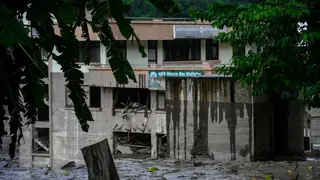
Experts say the catastrophic floods in Nepal were caused by a glacier collapse that set off a chain of hazards. Climate change may have amplified the event. There is now a risk of additional landslides in the area.
Glacial lake outburst floods (GLOFs) are a well-documented hazard across the high Himalayas, where warming temperatures have caused glaciers to retreat and meltwater to accumulate in unstable moraine-dammed lakes. When a glacier collapses or a moraine dam fails, the sudden release of water can trigger a cascading chain of events—debris flows, downstream flooding, and slope destabilization. The Nepal event exemplifies this multi-hazard sequence, and the lingering risk of further landslides underscores how one triggering event can leave a landscape vulnerable to secondary failures for weeks or months afterward.
The flooding directly threatens communities in Nepal's mountain valleys, where settlements and farmland often occupy the same floodplains that channel glacial meltwater downstream. Beyond immediate casualties and property damage, the risk of additional landslides could disrupt roads, supply chains, and access to remote villages for extended periods. As climate change continues to destabilize high-altitude environments, such cascading hazards may become more frequent, placing