Editorial: Climate change demands better disaster preparedness after Himalayan floods
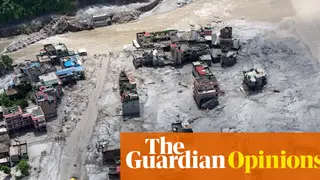
The editorial argues that while emergency aid is the immediate priority, the disaster highlights the growing risks from shrinking glaciers. It calls for international support for locally led relief and long-term adaptation measures. The piece stresses that such climate-linked events will become more frequent and require proactive planning.
The disaster unfolded Wednesday when a glacier collapse triggered an ice-rock avalanche that sent floodwaters surging through Himalayan valleys in Nepal and Tibet. Scientists initially considered an earthquake as the cause, but seismic readings were later attributed to the impact of the collapse itself. Satellite imagery is now helping researchers reconstruct the sequence of events, while Nepalese authorities warn that further floods remain a serious risk.
The Himalayas are warming at roughly twice the global average rate, a trend that scientists say destabilizes mountain environments. The IPCC has identified the region as facing heightened threats from avalanches, landslides, floods, and freshwater shortages as glaciers retreat. This event follows a pattern of climate-linked disasters, though researchers caution against drawing definitive conclusions before full analysis is complete.
This disaster could reshape how governments and aid organizations approach climate adaptation in mountainous regions. Communities in vulnerable valleys may face prolonged displacement, with women and children especially exposed to disease and trafficking risks. The event may also pressure international donors to fund early-warning systems and preparedness measures, potentially influencing how other nations with glacier-fed rivers assess their own vulnerabilities.