Red Cross struggles to reach isolated Nepalese communities after floods
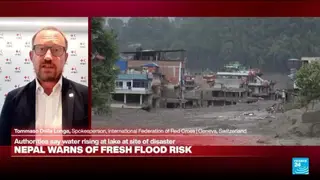
The International Federation of Red Cross and Red Crescent Societies says the scale of destruction in Nepal is immense, with roads, bridges and communications swept away. Their priority is search and rescue and delivering life-saving assistance, even as they plan for long-term recovery. Many local volunteers have lost homes or relatives while supporting their own communities.
The interview with Red Cross spokesperson Tommaso Della Longa underscores how Nepal's mountainous geography magnifies the emergency, as entire settlements have been wiped out and vital infrastructure severed. The response effort is further complicated by the fact that many local volunteers are simultaneously coping with their own losses—destroyed homes or deceased relatives—while continuing to serve their communities. This dual burden places extraordinary strain on the very people leading the relief operation.
Related reporting from the same period indicates the broader scale of the catastrophe, with rescue teams scouring for more than 1,300 missing individuals and hundreds more unaccounted for following the flash floods. Coverage has also highlighted the region's inherent geological fragility, and a separate incident involving Indian pilgrims in Tibet points to wider Himalayan instability during this period of extreme weather.
The flooding crisis could have prolonged consequences for Nepal's isolated mountain