Trump seeks $100,000 fee for H-1B visas, sparking tech industry opposition
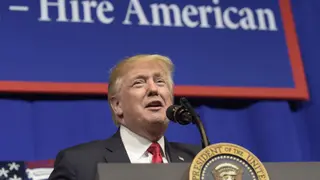
The Trump administration has proposed a new rule requiring employers to pay over $100,000 for each H-1B visa application, a sharp increase from current fees. The move follows a court suspension of a similar presidential proclamation last year. Critics argue the program is used to replace American workers with cheaper foreign labor, while tech leaders like Elon Musk defend it as vital for attracting global talent.
The proposed rule appeared in the Federal Registry on Tuesday, triggering a 30-day public comment window before any implementation. The US government caps H-1B issuance at 85,000 annually, with 20,000 reserved for advanced-degree holders, yet employers registered over 344,000 applications last year, forcing a lottery system. Computer-related occupations account for more than half of all H-1B workers, and Indian-born recipients represent roughly three-quarters of the total, with Chinese-born workers trailing at just over ten percent.
This marks the administration's second attempt at the fee. A September presidential proclamation imposing the same $100,000 charge was suspended in June when a federal judge deemed it an unlawful tax. The new version broadens its reach, potentially applying to foreign students already in the US on visas who seek H-1B status, whereas the earlier order only covered overseas applicants.
This proposal could significantly reshape hiring dynamics in US technology firms, which rely heavily on H-1B workers for programming and technical support roles. Indian professionals and IT staffing companies would face the most direct impact, potentially redirecting talent flows to other countries with more accessible visa systems. American workers may see shifts in labor competition, though whether this improves wages or simply reduces innovation capacity remains uncertain. Smaller employers unable to absorb the fee could lose access to specialized skills, while larger firms may absorb costs or accelerate offshore hiring.