Rams free up cap space in Hunter-Atwell swap
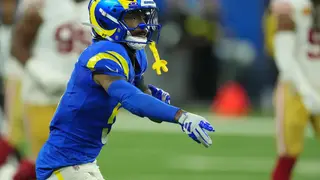
The Rams' trade of Jarquez Hunter for Tutu Atwell results in a slight cap savings due to Atwell's modest contract. The move provides the team with additional financial flexibility.
In the NFL, roster moves are often as much about financial management as on-field production. The Rams’ decision to swap running back Jarquez Hunter for wide receiver Tutu Atwell reflects a common front-office priority: maintaining flexibility under the salary cap. By acquiring a player on a more modest contract, the team creates a small but useful cushion for future signings or midseason adjustments. Such trades rarely make headlines for their football impact, but they are essential for building a competitive roster within league spending limits. The move underscores how even minor cap savings can matter in a sport where every dollar counts toward assembling depth and star talent.
This trade may affect fans and analysts who track roster composition, as it signals the Rams’ ongoing effort to balance payroll with performance. For players, it highlights the precarious nature of NFL careers, where contracts and cap math can outweigh on-field contributions. For the broader league, it could reinforce the perception that financial strategy is as important as athletic ability, potentially shaping how casual observers understand team decisions. However, the direct societal impact is limited, mainly influencing team loyalty and discussions among sports communities rather than wider public life.