Cascading Hazards Explained in Wake of Nepal Flood Disaster
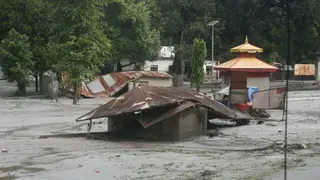
A catastrophic flash flood in northern Nepal has killed over 150 people and left many missing, including tourists. Experts suspect the disaster was a cascading event, where a glacial lake outburst triggered a chain of hazards. While climate change is accelerating glacier melt in the region, its exact role remains uncertain.
The flood struck the Bhotekoshi river system near Nepal's Tibet border, with the Trishuli River rising up to nine meters within half an hour at one downstream monitoring point. Infrastructure losses include at least 19 bridges, roughly 40 kilometers of roads, and a 42-kilometer border highway destroyed at multiple locations. No heavy rainfall preceded the event, and satellite imagery shows a glacier section at about 5,200 meters elevation breaking away and falling over 1,200 meters.
Nepal's hydrology department suggests the resulting ice-rock avalanche blocked the river roughly 20 kilometers upstream of the border, creating a temporary dam that later failed and released a sudden surge downstream. The event illustrates how cascading hazards—where one natural trigger sets off subsequent disasters—can produce destruction far exceeding what any single cause might explain. Scientists note climate change is accelerating glacier melt across the Hindu Kush Himalaya, though its precise contribution to this specific event remains under investigation.
This disaster could reshape how mountain communities and authorities assess flood risk, particularly regarding high-altitude glacial processes rather than rainfall alone. The heavy toll on tourists—with hundreds unaccounted for—may affect Nepal's travel industry and international perceptions of trekking safety. Infrastructure destruction along a key border route could disrupt trade and mobility between Nepal and China. The event may also prompt broader discussions about monitoring glacial lakes and avalanche zones across the Himalayas, where warming temperatures are altering longstanding environmental patterns.